Buy iqyp.com ?
We are moving the project
iqyp.com .
Are you interested in purchasing the domain
iqyp.com ?
domain@kv-gmbh.de · 0541-91531010
Buy iqyp.com ?
What are the quantum numbers of sodium, chlorine, and osmium?
The quantum numbers of sodium are n=3, l=0, ml=0, and ms=+1/2. The quantum numbers of chlorine are n=3, l=1, ml=-1, and ms=-1/2. The quantum numbers of osmium are n=5, l=2, ml=0, and ms=-1/2. These quantum numbers describe the energy level, orbital angular momentum, magnetic quantum number, and spin quantum number of the electrons in each element, respectively. **
What is the resting potential of potassium and sodium?
The resting potential of potassium is approximately -80 millivolts, while the resting potential of sodium is approximately +60 millivolts. These resting potentials are the result of the concentration gradients and selective permeability of the cell membrane to these ions. The difference in resting potentials for potassium and sodium is a key factor in generating the action potential in neurons and other excitable cells. **

Similar search terms for Sodium
Top-Angebote
Products related to Sodium:
-
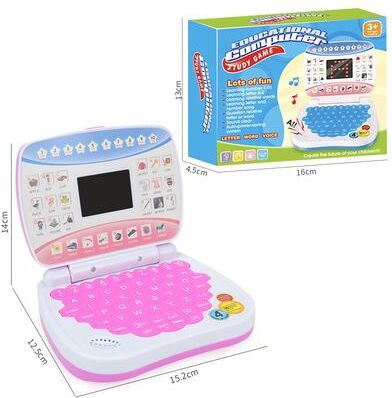
JoyToys Smart Kids Learning Laptop Educational Laptop Toy For Preschool English Learning & Skill Development pinkExperience the joy of watching your child learn through play with this educational laptop toy designed to make every lesson fun and engaging. Perfect for toddlers and preschoolers, this interactive learning computer introduces letters, numbers,...34,97 $*Shipping: 0,00 $Secure redirect to the provider
-
Inspired Living Montessori Pop Up Animal Learning Box For Fine Motor & Early Skill Development Montessori Pop Up Animal Learning Box For Fine Motor & Early Skill DevelopmentTurn playtime into a joyful learning experience with this engaging Montessori toy designed to spark curiosity and build essential skills. Created for toddlers and young children, this interactive pop up animal toy combines fun surprises with...23,97 $*Shipping: 0,00 $Secure redirect to the provider
-
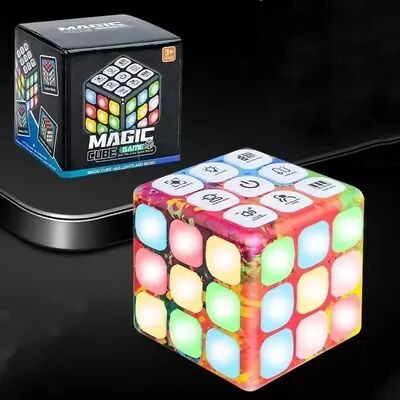
Multisell Products Hub Magnetic Flashing Cube, Kids Fun Gift, Brain Game Modes For Intelligence Development colorfulEngage Your Child's Mind with the Flashing Cube Toy The Flashing Cube Kid Intelligence Develop toy is designed to boost cognitive skills and memory while keeping kids entertained for hours. This unique game combines magnetic memory elements with a...99,97 $*Shipping: 0,00 $Secure redirect to the provider
-
JoyToys Montessori Baby Sensory Tissue Box Early Learning Toy For Fine Motor Skill Development Montessori Baby Sensory Tissue Box Early Learning Toy For Fine Motor Skill DevelopmentExperience the joy of watching your little one learn through play with this Montessori baby toy designed to spark curiosity from the very first touch. This engaging sensory tissue box encourages babies to pull, grasp, explore, and discover while...34,97 $*Shipping: 0,00 $Secure redirect to the provider


-
How much sodium is in sodium bicarbonate?
Sodium bicarbonate, also known as baking soda, is composed of about 27.4% sodium by weight. This means that for every 100 grams of sodium bicarbonate, there is approximately 27.4 grams of sodium. It is important to note that while sodium bicarbonate contains sodium, it is not as high in sodium content as other sodium-based compounds. **
-
How do sodium chloride and sodium chlorate differ?
Sodium chloride and sodium chlorate differ in their chemical composition and uses. Sodium chloride, commonly known as table salt, is a simple ionic compound composed of sodium and chloride ions. It is used as a seasoning and preservative in food, as well as in various industrial processes. On the other hand, sodium chlorate is a chemical compound containing sodium, chlorine, and oxygen. It is used as an herbicide, a bleaching agent, and in the production of chlorine dioxide. Additionally, sodium chlorate is more toxic than sodium chloride and should be handled with care. **
-
What are the effects of sodium deficiency on the action potential?
Sodium deficiency can have significant effects on the action potential. Sodium is a key ion involved in the depolarization phase of the action potential, and a deficiency can lead to a decrease in the amplitude and speed of action potential propagation. This can result in weakened muscle contractions and impaired nerve signaling, leading to symptoms such as muscle weakness, fatigue, and neurological abnormalities. In severe cases, sodium deficiency can even lead to life-threatening conditions such as seizures and coma. Therefore, maintaining proper sodium levels is crucial for normal action potential function and overall physiological health. **
-
Why is the sodium-potassium pump needed during the resting potential?
The sodium-potassium pump is needed during the resting potential to maintain the concentration gradients of sodium and potassium ions across the cell membrane. This pump actively transports three sodium ions out of the cell and two potassium ions into the cell, using ATP as an energy source. This process helps to establish and maintain the negative resting membrane potential, which is essential for the proper functioning of neurons and other excitable cells. Without the sodium-potassium pump, the concentration gradients of sodium and potassium ions would dissipate, leading to a loss of the resting potential and impairing the cell's ability to generate action potentials. **
How can sodium oxide and sodium hydroxide be detected?
Sodium oxide can be detected by performing a flame test, where the compound is heated in a flame and the characteristic yellow color of sodium is observed. Sodium hydroxide can be detected by adding a few drops of phenolphthalein indicator to a solution suspected to contain the compound; a pink color change indicates the presence of sodium hydroxide. Additionally, both compounds can be identified through chemical reactions with specific reagents that produce characteristic precipitates or color changes. **
What is the difference between sodium and sodium fluoride?
Sodium is a chemical element with the symbol Na and atomic number 11, while sodium fluoride is a chemical compound composed of sodium and fluoride ions with the formula NaF. The main difference between the two is that sodium is a pure element, while sodium fluoride is a compound formed by the combination of sodium and fluoride ions. Sodium fluoride is commonly used in toothpaste and water fluoridation to prevent tooth decay, while sodium is a highly reactive metal that is commonly found in salts and other compounds. **
Top-Angebote
Products related to Sodium:
-
Perfect Picks Market Geometric Building Blocks Set For Kids Early Education Intelligence Development Toy Geometric Building Blocks Set For Kids Early Education Intelligence Development ToyUnlock your child's potential with this early education equipment designed to stimulate creativity and intelligence! This geometric set is the perfect building block toy for boys, helping to develop problemsolving skills while having fun. The...35,97 $*Shipping: 0,00 $Secure redirect to the provider
-
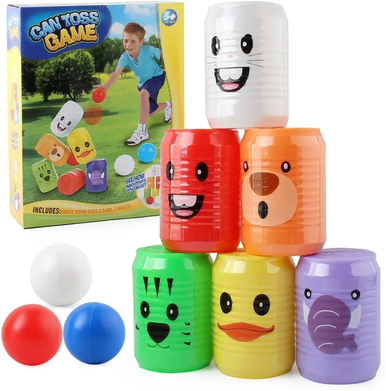
Trendy Discount Goods Kids Bowling Cans Balls Set Educational Toy Children Sports Durable Eco Friendly Safe Intelligence Development Kids Bowling Cans Balls Set Educational Toy Children Sports Durable Eco Friendly Safe Intelligence DevelopmentPerfect for Active Play: The Bowling Cans Balls Set is an exciting way to keep your kids engaged and active while improving their coordination. This toy set is perfect for encouraging physical activity, bringing children closer to their environment,...49,97 $*Shipping: 0,00 $Secure redirect to the provider
-
JoyToys Smart Kids Learning Laptop Educational Laptop Toy For Preschool English Learning & Skill Development pinkExperience the joy of watching your child learn through play with this educational laptop toy designed to make every lesson fun and engaging. Perfect for toddlers and preschoolers, this interactive learning computer introduces letters, numbers,...34,97 $*Shipping: 0,00 $Secure redirect to the provider
-
Inspired Living Montessori Pop Up Animal Learning Box For Fine Motor & Early Skill Development Montessori Pop Up Animal Learning Box For Fine Motor & Early Skill DevelopmentTurn playtime into a joyful learning experience with this engaging Montessori toy designed to spark curiosity and build essential skills. Created for toddlers and young children, this interactive pop up animal toy combines fun surprises with...23,97 $*Shipping: 0,00 $Secure redirect to the provider
-
What are the quantum numbers of sodium, chlorine, and osmium?
The quantum numbers of sodium are n=3, l=0, ml=0, and ms=+1/2. The quantum numbers of chlorine are n=3, l=1, ml=-1, and ms=-1/2. The quantum numbers of osmium are n=5, l=2, ml=0, and ms=-1/2. These quantum numbers describe the energy level, orbital angular momentum, magnetic quantum number, and spin quantum number of the electrons in each element, respectively. **
-
What is the resting potential of potassium and sodium?
The resting potential of potassium is approximately -80 millivolts, while the resting potential of sodium is approximately +60 millivolts. These resting potentials are the result of the concentration gradients and selective permeability of the cell membrane to these ions. The difference in resting potentials for potassium and sodium is a key factor in generating the action potential in neurons and other excitable cells. **
-
How much sodium is in sodium bicarbonate?
Sodium bicarbonate, also known as baking soda, is composed of about 27.4% sodium by weight. This means that for every 100 grams of sodium bicarbonate, there is approximately 27.4 grams of sodium. It is important to note that while sodium bicarbonate contains sodium, it is not as high in sodium content as other sodium-based compounds. **
-
How do sodium chloride and sodium chlorate differ?
Sodium chloride and sodium chlorate differ in their chemical composition and uses. Sodium chloride, commonly known as table salt, is a simple ionic compound composed of sodium and chloride ions. It is used as a seasoning and preservative in food, as well as in various industrial processes. On the other hand, sodium chlorate is a chemical compound containing sodium, chlorine, and oxygen. It is used as an herbicide, a bleaching agent, and in the production of chlorine dioxide. Additionally, sodium chlorate is more toxic than sodium chloride and should be handled with care. **
Similar search terms for Sodium
-
Multisell Products Hub Magnetic Flashing Cube, Kids Fun Gift, Brain Game Modes For Intelligence Development colorfulEngage Your Child's Mind with the Flashing Cube Toy The Flashing Cube Kid Intelligence Develop toy is designed to boost cognitive skills and memory while keeping kids entertained for hours. This unique game combines magnetic memory elements with a...99,97 $*Shipping: 0,00 $Secure redirect to the provider
-
JoyToys Montessori Baby Sensory Tissue Box Early Learning Toy For Fine Motor Skill Development Montessori Baby Sensory Tissue Box Early Learning Toy For Fine Motor Skill DevelopmentExperience the joy of watching your little one learn through play with this Montessori baby toy designed to spark curiosity from the very first touch. This engaging sensory tissue box encourages babies to pull, grasp, explore, and discover while...34,97 $*Shipping: 0,00 $Secure redirect to the provider
-
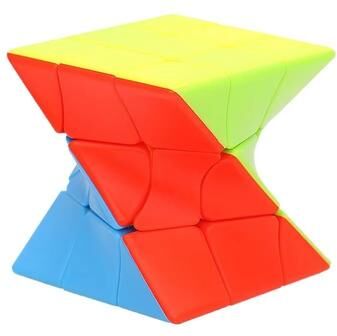
PRiME Magic Speed Cube Colorful Puzzle Toy For Kids, Brain Teaser, Intelligence Development, Fun Educational Gift twist CubeBoost Brainpower with a Fun Challenge Bring endless fun and learning to your childs playtime with this Unique 3x3x3 Magic Speed Cube Colorful Twist Puzzle. Designed for young minds and curious fingers, this toy offers an engaging way to develop...27,97 $*Shipping: 0,00 $Secure redirect to the provider
-
Youfap Market Montessori Toy Mini Children Toys, Wooden Abacus For Kids, Colorful Beads Intelligence Development Educational Toy redEnhance Learning with a Wooden Abacus for Kids Introduce your child to a world of early learning with this Wooden Abacus for Kids Colorful Beads. Perfect for preschoolers, it combines handson play with cognitive growth. Children can count, sort, and...34,97 $*Shipping: 0,00 $Secure redirect to the provider
-
What are the effects of sodium deficiency on the action potential?
Sodium deficiency can have significant effects on the action potential. Sodium is a key ion involved in the depolarization phase of the action potential, and a deficiency can lead to a decrease in the amplitude and speed of action potential propagation. This can result in weakened muscle contractions and impaired nerve signaling, leading to symptoms such as muscle weakness, fatigue, and neurological abnormalities. In severe cases, sodium deficiency can even lead to life-threatening conditions such as seizures and coma. Therefore, maintaining proper sodium levels is crucial for normal action potential function and overall physiological health. **
-
Why is the sodium-potassium pump needed during the resting potential?
The sodium-potassium pump is needed during the resting potential to maintain the concentration gradients of sodium and potassium ions across the cell membrane. This pump actively transports three sodium ions out of the cell and two potassium ions into the cell, using ATP as an energy source. This process helps to establish and maintain the negative resting membrane potential, which is essential for the proper functioning of neurons and other excitable cells. Without the sodium-potassium pump, the concentration gradients of sodium and potassium ions would dissipate, leading to a loss of the resting potential and impairing the cell's ability to generate action potentials. **
-
How can sodium oxide and sodium hydroxide be detected?
Sodium oxide can be detected by performing a flame test, where the compound is heated in a flame and the characteristic yellow color of sodium is observed. Sodium hydroxide can be detected by adding a few drops of phenolphthalein indicator to a solution suspected to contain the compound; a pink color change indicates the presence of sodium hydroxide. Additionally, both compounds can be identified through chemical reactions with specific reagents that produce characteristic precipitates or color changes. **
-
What is the difference between sodium and sodium fluoride?
Sodium is a chemical element with the symbol Na and atomic number 11, while sodium fluoride is a chemical compound composed of sodium and fluoride ions with the formula NaF. The main difference between the two is that sodium is a pure element, while sodium fluoride is a compound formed by the combination of sodium and fluoride ions. Sodium fluoride is commonly used in toothpaste and water fluoridation to prevent tooth decay, while sodium is a highly reactive metal that is commonly found in salts and other compounds. **
* All prices are inclusive of VAT and, if applicable, plus shipping costs. The offer information is based on the details provided by the respective shop and is updated through automated processes. Real-time updates do not occur, so deviations can occur in individual cases. ** Note: Parts of this content were created by AI.