Buy iqyp.com ?
We are moving the project
iqyp.com .
Are you interested in purchasing the domain
iqyp.com ?
domain@kv-gmbh.de · 0541-91531010
Buy iqyp.com ?
What is an associative inhibition?
Associative inhibition is a psychological phenomenon where the learning of a new association between two stimuli is hindered by the presence of a previously learned association. This occurs when the two stimuli are presented together, but the individual has learned to associate one of the stimuli with a different response. As a result, the individual struggles to form a new association between the two stimuli. Associative inhibition is a form of interference that can impact the learning and memory processes. **
What is an associative anaphora?
An associative anaphora is a linguistic phenomenon where a word or phrase in a sentence refers back to a previously mentioned concept or idea, rather than a specific noun or pronoun. This type of anaphora creates a connection between different parts of a text by linking related concepts together. Associative anaphora is often used to maintain coherence and cohesion in a discourse, helping to guide the reader or listener through the flow of information. **

Similar search terms for Associative
Top-Angebote
Products related to Associative:
-
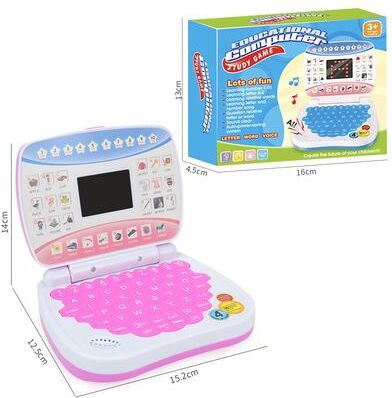
JoyToys Smart Kids Learning Laptop Educational Laptop Toy For Preschool English Learning & Skill Development pinkExperience the joy of watching your child learn through play with this educational laptop toy designed to make every lesson fun and engaging. Perfect for toddlers and preschoolers, this interactive learning computer introduces letters, numbers,...34,97 $*Shipping: 0,00 $Secure redirect to the provider
-
Inspired Living Montessori Pop Up Animal Learning Box For Fine Motor & Early Skill Development Montessori Pop Up Animal Learning Box For Fine Motor & Early Skill DevelopmentTurn playtime into a joyful learning experience with this engaging Montessori toy designed to spark curiosity and build essential skills. Created for toddlers and young children, this interactive pop up animal toy combines fun surprises with...23,97 $*Shipping: 0,00 $Secure redirect to the provider
-
Multisell Products Hub Magnetic Flashing Cube, Kids Fun Gift, Brain Game Modes For Intelligence Development colorfulEngage Your Child's Mind with the Flashing Cube Toy The Flashing Cube Kid Intelligence Develop toy is designed to boost cognitive skills and memory while keeping kids entertained for hours. This unique game combines magnetic memory elements with a...99,97 $*Shipping: 0,00 $Secure redirect to the provider
-
JoyToys Montessori Baby Sensory Tissue Box Early Learning Toy For Fine Motor Skill Development Montessori Baby Sensory Tissue Box Early Learning Toy For Fine Motor Skill DevelopmentExperience the joy of watching your little one learn through play with this Montessori baby toy designed to spark curiosity from the very first touch. This engaging sensory tissue box encourages babies to pull, grasp, explore, and discover while...34,97 $*Shipping: 0,00 $Secure redirect to the provider



-
What is the associative property used for?
The associative property is used to change the grouping of numbers in an operation without changing the result. This property is commonly used in addition and multiplication, where the order of the numbers being added or multiplied can be rearranged without affecting the final outcome. The associative property helps simplify calculations and allows for easier mental math computations. **
-
What is the purpose of the associative property?
The purpose of the associative property is to show that the grouping of numbers in an operation does not affect the outcome. In other words, it demonstrates that the order in which numbers are grouped when adding or multiplying does not change the result. This property is helpful in simplifying calculations and allows for more efficient problem-solving by rearranging the numbers in a way that is easier to work with. **
-
What is the associative law for 4 elements?
The associative law for 4 elements states that for any elements a, b, c, and d, the order in which we group them in a binary operation does not affect the result. In other words, (a * b) * (c * d) = a * (b * c) * d = a * b * c * d. This property holds true for any operation that is associative, such as addition or multiplication. **
-
How do I recognize associative series and climax?
Associative series is recognized by a series of words, phrases, or clauses that are similar in structure and length, creating a sense of rhythm and repetition. This repetition helps to emphasize the ideas being presented. On the other hand, climax is recognized by a series of words, phrases, or clauses that are arranged in order of increasing importance or intensity, building up to a powerful conclusion. Both techniques can be identified by paying attention to the pattern and progression of the words and phrases used in a sentence or passage. **

What does the associative law state for matrices?
The associative law for matrices states that when multiplying three matrices together, the order in which the matrices are multiplied does not affect the final result. In other words, for matrices A, B, and C, (A*B)*C = A*(B*C). This property allows us to group matrices in different ways when performing matrix multiplication without changing the outcome. **
How do you derive the non-associative multiplication?
Non-associative multiplication is derived by defining a binary operation that combines two elements of a set to produce a third element. This operation does not follow the associative property, meaning that the order of operations matters. Non-associative multiplication can be defined by specifying the result of multiplying any two elements in the set. This can be represented using a multiplication table or by explicitly stating the result of each pair of elements. The non-associative multiplication operation can then be used to perform calculations within the set, taking into account the specific rules for combining elements. **
Top-Angebote
Products related to Associative:
-
Perfect Picks Market Geometric Building Blocks Set For Kids Early Education Intelligence Development Toy Geometric Building Blocks Set For Kids Early Education Intelligence Development ToyUnlock your child's potential with this early education equipment designed to stimulate creativity and intelligence! This geometric set is the perfect building block toy for boys, helping to develop problemsolving skills while having fun. The...35,97 $*Shipping: 0,00 $Secure redirect to the provider
-
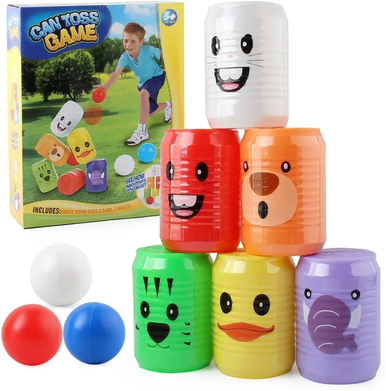
Trendy Discount Goods Kids Bowling Cans Balls Set Educational Toy Children Sports Durable Eco Friendly Safe Intelligence Development Kids Bowling Cans Balls Set Educational Toy Children Sports Durable Eco Friendly Safe Intelligence DevelopmentPerfect for Active Play: The Bowling Cans Balls Set is an exciting way to keep your kids engaged and active while improving their coordination. This toy set is perfect for encouraging physical activity, bringing children closer to their environment,...49,97 $*Shipping: 0,00 $Secure redirect to the provider
-
JoyToys Smart Kids Learning Laptop Educational Laptop Toy For Preschool English Learning & Skill Development pinkExperience the joy of watching your child learn through play with this educational laptop toy designed to make every lesson fun and engaging. Perfect for toddlers and preschoolers, this interactive learning computer introduces letters, numbers,...34,97 $*Shipping: 0,00 $Secure redirect to the provider
-
Inspired Living Montessori Pop Up Animal Learning Box For Fine Motor & Early Skill Development Montessori Pop Up Animal Learning Box For Fine Motor & Early Skill DevelopmentTurn playtime into a joyful learning experience with this engaging Montessori toy designed to spark curiosity and build essential skills. Created for toddlers and young children, this interactive pop up animal toy combines fun surprises with...23,97 $*Shipping: 0,00 $Secure redirect to the provider
-
What is an associative inhibition?
Associative inhibition is a psychological phenomenon where the learning of a new association between two stimuli is hindered by the presence of a previously learned association. This occurs when the two stimuli are presented together, but the individual has learned to associate one of the stimuli with a different response. As a result, the individual struggles to form a new association between the two stimuli. Associative inhibition is a form of interference that can impact the learning and memory processes. **
-
What is an associative anaphora?
An associative anaphora is a linguistic phenomenon where a word or phrase in a sentence refers back to a previously mentioned concept or idea, rather than a specific noun or pronoun. This type of anaphora creates a connection between different parts of a text by linking related concepts together. Associative anaphora is often used to maintain coherence and cohesion in a discourse, helping to guide the reader or listener through the flow of information. **
-
What is the associative property used for?
The associative property is used to change the grouping of numbers in an operation without changing the result. This property is commonly used in addition and multiplication, where the order of the numbers being added or multiplied can be rearranged without affecting the final outcome. The associative property helps simplify calculations and allows for easier mental math computations. **
-
What is the purpose of the associative property?
The purpose of the associative property is to show that the grouping of numbers in an operation does not affect the outcome. In other words, it demonstrates that the order in which numbers are grouped when adding or multiplying does not change the result. This property is helpful in simplifying calculations and allows for more efficient problem-solving by rearranging the numbers in a way that is easier to work with. **
Similar search terms for Associative
-
Multisell Products Hub Magnetic Flashing Cube, Kids Fun Gift, Brain Game Modes For Intelligence Development colorfulEngage Your Child's Mind with the Flashing Cube Toy The Flashing Cube Kid Intelligence Develop toy is designed to boost cognitive skills and memory while keeping kids entertained for hours. This unique game combines magnetic memory elements with a...99,97 $*Shipping: 0,00 $Secure redirect to the provider
-
JoyToys Montessori Baby Sensory Tissue Box Early Learning Toy For Fine Motor Skill Development Montessori Baby Sensory Tissue Box Early Learning Toy For Fine Motor Skill DevelopmentExperience the joy of watching your little one learn through play with this Montessori baby toy designed to spark curiosity from the very first touch. This engaging sensory tissue box encourages babies to pull, grasp, explore, and discover while...34,97 $*Shipping: 0,00 $Secure redirect to the provider
-
Market Central Montessori Pop Up Animal Toy Learning Box For Kids Logic And Motor Skill Development Montessori Pop Up Animal Toy Learning Box For Kids Logic And Motor Skill DevelopmentMake learning exciting with a playful toy that helps children explore, discover, and build confidence through handson activities. This Montessori pop up animal toy combines fun surprises with skillbuilding exercises designed for toddlers and young...37,97 $*Shipping: 0,00 $Secure redirect to the provider
-
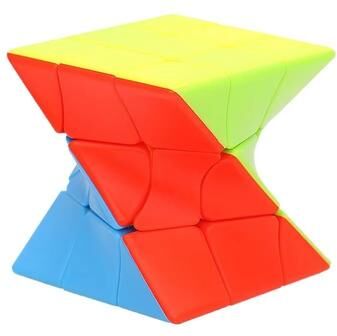
PRiME Magic Speed Cube Colorful Puzzle Toy For Kids, Brain Teaser, Intelligence Development, Fun Educational Gift twist CubeBoost Brainpower with a Fun Challenge Bring endless fun and learning to your childs playtime with this Unique 3x3x3 Magic Speed Cube Colorful Twist Puzzle. Designed for young minds and curious fingers, this toy offers an engaging way to develop...27,97 $*Shipping: 0,00 $Secure redirect to the provider
-
What is the associative law for 4 elements?
The associative law for 4 elements states that for any elements a, b, c, and d, the order in which we group them in a binary operation does not affect the result. In other words, (a * b) * (c * d) = a * (b * c) * d = a * b * c * d. This property holds true for any operation that is associative, such as addition or multiplication. **
-
How do I recognize associative series and climax?
Associative series is recognized by a series of words, phrases, or clauses that are similar in structure and length, creating a sense of rhythm and repetition. This repetition helps to emphasize the ideas being presented. On the other hand, climax is recognized by a series of words, phrases, or clauses that are arranged in order of increasing importance or intensity, building up to a powerful conclusion. Both techniques can be identified by paying attention to the pattern and progression of the words and phrases used in a sentence or passage. **
-
What does the associative law state for matrices?
The associative law for matrices states that when multiplying three matrices together, the order in which the matrices are multiplied does not affect the final result. In other words, for matrices A, B, and C, (A*B)*C = A*(B*C). This property allows us to group matrices in different ways when performing matrix multiplication without changing the outcome. **
-
How do you derive the non-associative multiplication?
Non-associative multiplication is derived by defining a binary operation that combines two elements of a set to produce a third element. This operation does not follow the associative property, meaning that the order of operations matters. Non-associative multiplication can be defined by specifying the result of multiplying any two elements in the set. This can be represented using a multiplication table or by explicitly stating the result of each pair of elements. The non-associative multiplication operation can then be used to perform calculations within the set, taking into account the specific rules for combining elements. **
* All prices are inclusive of VAT and, if applicable, plus shipping costs. The offer information is based on the details provided by the respective shop and is updated through automated processes. Real-time updates do not occur, so deviations can occur in individual cases. ** Note: Parts of this content were created by AI.