Buy iqyp.com ?
We are moving the project
iqyp.com .
Are you interested in purchasing the domain
iqyp.com ?
domain@kv-gmbh.de · 0541-91531010
Buy iqyp.com ?
What factors inhibit and enhance intelligence?
Intelligence can be inhibited by factors such as lack of education, limited access to resources, poor nutrition, and exposure to toxins or environmental stressors. On the other hand, intelligence can be enhanced by factors like quality education, stimulating environments, access to diverse experiences, and opportunities for continuous learning and growth. Additionally, genetic factors and individual differences in cognitive abilities also play a role in determining intelligence levels. **
Which upbringing factors favor a neurotic development?
Several factors in upbringing can favor a neurotic development, including inconsistent or harsh parenting, neglect, abuse, and exposure to chronic stress or trauma. Children who grow up in environments where their emotional needs are not consistently met, or where they experience unpredictable or threatening situations, are more likely to develop neurotic tendencies. Additionally, overprotective or controlling parenting styles can also contribute to the development of neurotic traits, as they may inhibit a child's ability to develop healthy coping mechanisms and resilience. **


Similar search terms for Factors
Top-Angebote
Products related to Factors:
-
Trendy Discount Goods Kids Bowling Cans Balls Set Educational Toy Children Sports Durable Eco Friendly Safe Intelligence Development Kids Bowling Cans Balls Set Educational Toy Children Sports Durable Eco Friendly Safe Intelligence DevelopmentPerfect for Active Play: The Bowling Cans Balls Set is an exciting way to keep your kids engaged and active while improving their coordination. This toy set is perfect for encouraging physical activity, bringing children closer to their environment,...49,97 $*Shipping: 0,00 $Secure redirect to the provider
-
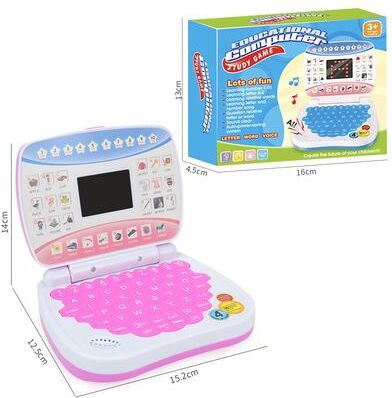
JoyToys Smart Kids Learning Laptop Educational Laptop Toy For Preschool English Learning & Skill Development pinkExperience the joy of watching your child learn through play with this educational laptop toy designed to make every lesson fun and engaging. Perfect for toddlers and preschoolers, this interactive learning computer introduces letters, numbers,...34,97 $*Shipping: 0,00 $Secure redirect to the provider
-
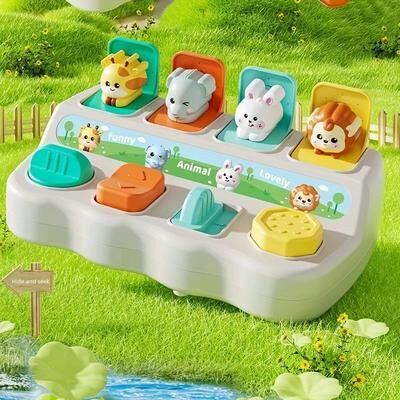
Inspired Living Montessori Pop Up Animal Learning Box For Fine Motor & Early Skill Development Montessori Pop Up Animal Learning Box For Fine Motor & Early Skill DevelopmentTurn playtime into a joyful learning experience with this engaging Montessori toy designed to spark curiosity and build essential skills. Created for toddlers and young children, this interactive pop up animal toy combines fun surprises with...23,97 $*Shipping: 0,00 $Secure redirect to the provider
-
Multisell Products Hub Magnetic Flashing Cube, Kids Fun Gift, Brain Game Modes For Intelligence Development colorfulEngage Your Child's Mind with the Flashing Cube Toy The Flashing Cube Kid Intelligence Develop toy is designed to boost cognitive skills and memory while keeping kids entertained for hours. This unique game combines magnetic memory elements with a...99,97 $*Shipping: 0,00 $Secure redirect to the provider


-
What do push factors and pull factors mean?
Push factors are circumstances that force individuals to leave their current location, such as poverty, political instability, or lack of job opportunities. Pull factors, on the other hand, are conditions that attract individuals to a new location, such as better job prospects, higher quality of life, or political stability. Both push and pull factors play a significant role in influencing migration patterns and decisions. **
-
What are the factors inhibiting and promoting development in Angola?
In Angola, factors inhibiting development include a history of political instability and corruption, which have hindered economic growth and investment. Additionally, the reliance on oil exports has made the economy vulnerable to fluctuations in global oil prices. Poor infrastructure, limited access to education and healthcare, and a high poverty rate also contribute to the challenges facing development in Angola. On the other hand, factors promoting development in Angola include the country's rich natural resources, such as oil, diamonds, and other minerals, which have the potential to drive economic growth if managed effectively. Efforts to diversify the economy, improve governance, and invest in infrastructure and human capital are also key factors that can help promote development in Angola. Additionally, the country's strategic location and potential for regional trade and investment present opportunities for growth and development. **
-
To which factors do biotic and abiotic factors belong?
Biotic factors belong to living organisms such as plants, animals, fungi, and bacteria, while abiotic factors belong to non-living elements such as temperature, water, sunlight, soil, and air. Both biotic and abiotic factors play crucial roles in shaping ecosystems and influencing the distribution and abundance of species within those ecosystems. They interact with each other to create complex and dynamic environments. **
-
What location factors can be mentioned for the development of cities?
Several location factors can be mentioned for the development of cities, including proximity to natural resources, access to transportation networks, availability of labor, and favorable climate conditions. Additionally, the presence of educational and healthcare facilities, as well as cultural and recreational amenities, can also contribute to the development of cities. Furthermore, government policies and regulations, as well as historical and cultural significance, can also play a role in the development of cities. **


What role do genetic factors play in the development of depression?
Genetic factors are thought to play a significant role in the development of depression. Research has shown that individuals with a family history of depression are at a higher risk of developing the condition themselves. Studies have also identified specific genes that may be associated with an increased susceptibility to depression. However, it's important to note that genetics are just one piece of the puzzle, and environmental factors and life experiences also play a crucial role in the development of depression. **
What is the difference between density-independent factors and abiotic factors?
Density-independent factors are environmental factors that affect a population regardless of its size or density, such as natural disasters or climate change. Abiotic factors, on the other hand, are non-living components of an ecosystem that can influence the survival and growth of organisms, such as temperature, sunlight, and soil composition. While density-independent factors can include abiotic factors, abiotic factors encompass a broader range of non-living elements that can impact an ecosystem. **
Top-Angebote
Products related to Factors:
-
Macmillan Business How Big Things Get Done: The Surprising Factors Behind Every Successful Project, from Home Renovations to Space ExplorationHow Big Things Get Done: The Surprising Factors Behind Every Successful Project, from Home Renovations to Space Exploration Nothing is more inspiring than a big vision that becomes a triumphant new reality. Think of how Apple’s iPod went from a project with a single employee to an enormously successful product launch in eleven months. But such successes are the exception. Consider how London’s Crossrail project delivered five years late and billions over budget. More modest endeavours, whether launching a small business, organizing a conference, or just finishing a work project on time, also commonly fail. Why? Understanding what distinguishes the triumphs from the failures has been the life’s work of Oxford professor Bent Flyvbjerg. In How Big Things Get Done, he identifies the errors that lead projects to fail, and the research-based principles that will make yours succeed: Understand your odds. If you don’t know them, you won’t win. Plan slow, act fast. Getting to the action quick feels right. But it’s wrong. Think right to left. Start with your goal, then identify the steps to get there. Find your Lego. Big is best built from small. Master the unknown unknowns. Most think they can’t, so they fail. Flyvbjerg shows how you can. Full of vivid examples ranging from the building of the Sydney Opera House to the making of the latest Pixar blockbusters, How Big Things Get Done reveals how to get any ambitious project done – on time and on budget.2,99 £*Shipping: 1,99 £Secure redirect to the provider
-
Perfect Picks Market Geometric Building Blocks Set For Kids Early Education Intelligence Development Toy Geometric Building Blocks Set For Kids Early Education Intelligence Development ToyUnlock your child's potential with this early education equipment designed to stimulate creativity and intelligence! This geometric set is the perfect building block toy for boys, helping to develop problemsolving skills while having fun. The...35,97 $*Shipping: 0,00 $Secure redirect to the provider
-
Trendy Discount Goods Kids Bowling Cans Balls Set Educational Toy Children Sports Durable Eco Friendly Safe Intelligence Development Kids Bowling Cans Balls Set Educational Toy Children Sports Durable Eco Friendly Safe Intelligence DevelopmentPerfect for Active Play: The Bowling Cans Balls Set is an exciting way to keep your kids engaged and active while improving their coordination. This toy set is perfect for encouraging physical activity, bringing children closer to their environment,...49,97 $*Shipping: 0,00 $Secure redirect to the provider
-
JoyToys Smart Kids Learning Laptop Educational Laptop Toy For Preschool English Learning & Skill Development pinkExperience the joy of watching your child learn through play with this educational laptop toy designed to make every lesson fun and engaging. Perfect for toddlers and preschoolers, this interactive learning computer introduces letters, numbers,...34,97 $*Shipping: 0,00 $Secure redirect to the provider
-
What factors inhibit and enhance intelligence?
Intelligence can be inhibited by factors such as lack of education, limited access to resources, poor nutrition, and exposure to toxins or environmental stressors. On the other hand, intelligence can be enhanced by factors like quality education, stimulating environments, access to diverse experiences, and opportunities for continuous learning and growth. Additionally, genetic factors and individual differences in cognitive abilities also play a role in determining intelligence levels. **
-
Which upbringing factors favor a neurotic development?
Several factors in upbringing can favor a neurotic development, including inconsistent or harsh parenting, neglect, abuse, and exposure to chronic stress or trauma. Children who grow up in environments where their emotional needs are not consistently met, or where they experience unpredictable or threatening situations, are more likely to develop neurotic tendencies. Additionally, overprotective or controlling parenting styles can also contribute to the development of neurotic traits, as they may inhibit a child's ability to develop healthy coping mechanisms and resilience. **
-
What do push factors and pull factors mean?
Push factors are circumstances that force individuals to leave their current location, such as poverty, political instability, or lack of job opportunities. Pull factors, on the other hand, are conditions that attract individuals to a new location, such as better job prospects, higher quality of life, or political stability. Both push and pull factors play a significant role in influencing migration patterns and decisions. **
-
What are the factors inhibiting and promoting development in Angola?
In Angola, factors inhibiting development include a history of political instability and corruption, which have hindered economic growth and investment. Additionally, the reliance on oil exports has made the economy vulnerable to fluctuations in global oil prices. Poor infrastructure, limited access to education and healthcare, and a high poverty rate also contribute to the challenges facing development in Angola. On the other hand, factors promoting development in Angola include the country's rich natural resources, such as oil, diamonds, and other minerals, which have the potential to drive economic growth if managed effectively. Efforts to diversify the economy, improve governance, and invest in infrastructure and human capital are also key factors that can help promote development in Angola. Additionally, the country's strategic location and potential for regional trade and investment present opportunities for growth and development. **
Similar search terms for Factors
-
Inspired Living Montessori Pop Up Animal Learning Box For Fine Motor & Early Skill Development Montessori Pop Up Animal Learning Box For Fine Motor & Early Skill DevelopmentTurn playtime into a joyful learning experience with this engaging Montessori toy designed to spark curiosity and build essential skills. Created for toddlers and young children, this interactive pop up animal toy combines fun surprises with...23,97 $*Shipping: 0,00 $Secure redirect to the provider
-
Multisell Products Hub Magnetic Flashing Cube, Kids Fun Gift, Brain Game Modes For Intelligence Development colorfulEngage Your Child's Mind with the Flashing Cube Toy The Flashing Cube Kid Intelligence Develop toy is designed to boost cognitive skills and memory while keeping kids entertained for hours. This unique game combines magnetic memory elements with a...99,97 $*Shipping: 0,00 $Secure redirect to the provider
-
JoyToys Montessori Baby Sensory Tissue Box Early Learning Toy For Fine Motor Skill Development Montessori Baby Sensory Tissue Box Early Learning Toy For Fine Motor Skill DevelopmentExperience the joy of watching your little one learn through play with this Montessori baby toy designed to spark curiosity from the very first touch. This engaging sensory tissue box encourages babies to pull, grasp, explore, and discover while...34,97 $*Shipping: 0,00 $Secure redirect to the provider
-
PRiME Magic Speed Cube Colorful Puzzle Toy For Kids, Brain Teaser, Intelligence Development, Fun Educational Gift twist CubeBoost Brainpower with a Fun Challenge Bring endless fun and learning to your childs playtime with this Unique 3x3x3 Magic Speed Cube Colorful Twist Puzzle. Designed for young minds and curious fingers, this toy offers an engaging way to develop...27,97 $*Shipping: 0,00 $Secure redirect to the provider
-
To which factors do biotic and abiotic factors belong?
Biotic factors belong to living organisms such as plants, animals, fungi, and bacteria, while abiotic factors belong to non-living elements such as temperature, water, sunlight, soil, and air. Both biotic and abiotic factors play crucial roles in shaping ecosystems and influencing the distribution and abundance of species within those ecosystems. They interact with each other to create complex and dynamic environments. **
-
What location factors can be mentioned for the development of cities?
Several location factors can be mentioned for the development of cities, including proximity to natural resources, access to transportation networks, availability of labor, and favorable climate conditions. Additionally, the presence of educational and healthcare facilities, as well as cultural and recreational amenities, can also contribute to the development of cities. Furthermore, government policies and regulations, as well as historical and cultural significance, can also play a role in the development of cities. **
-
What role do genetic factors play in the development of depression?
Genetic factors are thought to play a significant role in the development of depression. Research has shown that individuals with a family history of depression are at a higher risk of developing the condition themselves. Studies have also identified specific genes that may be associated with an increased susceptibility to depression. However, it's important to note that genetics are just one piece of the puzzle, and environmental factors and life experiences also play a crucial role in the development of depression. **
-
What is the difference between density-independent factors and abiotic factors?
Density-independent factors are environmental factors that affect a population regardless of its size or density, such as natural disasters or climate change. Abiotic factors, on the other hand, are non-living components of an ecosystem that can influence the survival and growth of organisms, such as temperature, sunlight, and soil composition. While density-independent factors can include abiotic factors, abiotic factors encompass a broader range of non-living elements that can impact an ecosystem. **
* All prices are inclusive of VAT and, if applicable, plus shipping costs. The offer information is based on the details provided by the respective shop and is updated through automated processes. Real-time updates do not occur, so deviations can occur in individual cases. ** Note: Parts of this content were created by AI.