Buy iqyp.com ?
We are moving the project
iqyp.com .
Are you interested in purchasing the domain
iqyp.com ?
domain@kv-gmbh.de · 0541-91531010
Buy iqyp.com ?
Is the friend possessive?
Yes, the friend is possessive. This is evident from the fact that they are trying to control the narrator's actions and decisions, as well as expressing jealousy and possessiveness over the narrator's other relationships. The friend's possessive behavior is unhealthy and can be damaging to the narrator's well-being and independence. It is important for the narrator to set boundaries and communicate their needs in order to maintain a healthy friendship. **
What does possessive mean?
Possessive refers to showing ownership or control over something. It is used to indicate that something belongs to or is associated with a particular person or thing. In grammar, possessive forms are used to show that a noun belongs to someone or something. **

Similar search terms for Possessive
Top-Angebote
Products related to Possessive:
-
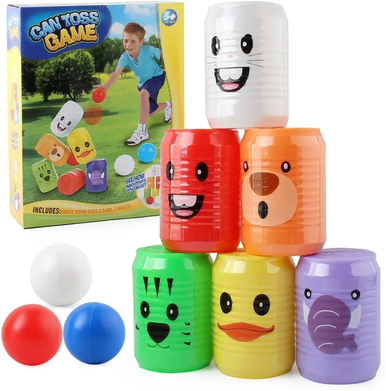
Trendy Discount Goods Kids Bowling Cans Balls Set Educational Toy Children Sports Durable Eco Friendly Safe Intelligence Development Kids Bowling Cans Balls Set Educational Toy Children Sports Durable Eco Friendly Safe Intelligence DevelopmentPerfect for Active Play: The Bowling Cans Balls Set is an exciting way to keep your kids engaged and active while improving their coordination. This toy set is perfect for encouraging physical activity, bringing children closer to their environment,...49,97 $*Shipping: 0,00 $Secure redirect to the provider
-
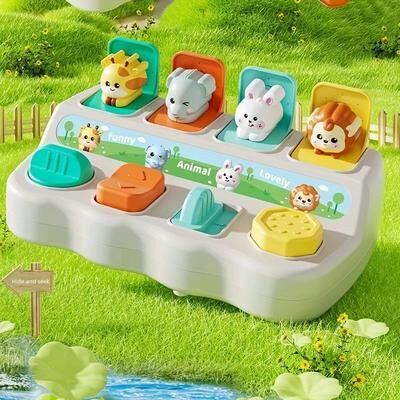
Inspired Living Montessori Pop Up Animal Learning Box For Fine Motor & Early Skill Development Montessori Pop Up Animal Learning Box For Fine Motor & Early Skill DevelopmentTurn playtime into a joyful learning experience with this engaging Montessori toy designed to spark curiosity and build essential skills. Created for toddlers and young children, this interactive pop up animal toy combines fun surprises with...23,97 $*Shipping: 0,00 $Secure redirect to the provider
-
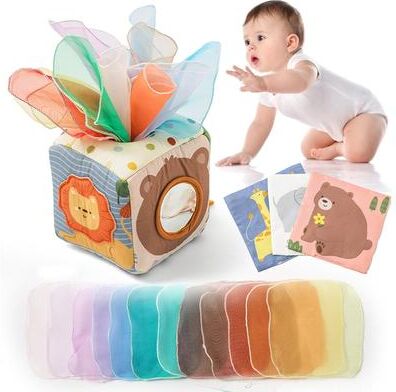
JoyToys Montessori Baby Sensory Tissue Box Early Learning Toy For Fine Motor Skill Development Montessori Baby Sensory Tissue Box Early Learning Toy For Fine Motor Skill DevelopmentExperience the joy of watching your little one learn through play with this Montessori baby toy designed to spark curiosity from the very first touch. This engaging sensory tissue box encourages babies to pull, grasp, explore, and discover while...34,97 $*Shipping: 0,00 $Secure redirect to the provider
-
Multisell Products Hub Magnetic Flashing Cube, Kids Fun Gift, Brain Game Modes For Intelligence Development colorfulEngage Your Child's Mind with the Flashing Cube Toy The Flashing Cube Kid Intelligence Develop toy is designed to boost cognitive skills and memory while keeping kids entertained for hours. This unique game combines magnetic memory elements with a...99,97 $*Shipping: 0,00 $Secure redirect to the provider

-
Are friends so possessive?
Friends can sometimes exhibit possessive behavior, especially if they feel insecure or threatened by the possibility of losing the friendship. This can manifest in actions such as wanting to control who their friend spends time with, becoming jealous of other friendships, or feeling entitled to their friend's time and attention. However, healthy friendships are built on trust, respect, and mutual support, and should not be based on possessiveness. It's important for friends to communicate openly and set boundaries to ensure a balanced and respectful relationship. **
-
What are possessive adjectives?
Possessive adjectives are used to indicate ownership or possession of a noun. They are placed before the noun and agree in gender and number with the noun they modify. In English, possessive adjectives include words like "my," "your," "his," "her," "its," "our," and "their." For example, in the sentence "I love my dog," "my" is a possessive adjective indicating that the dog belongs to the speaker. **
-
What is the difference between a possessive pronoun and a possessive adjective?
A possessive pronoun replaces a noun and shows ownership or possession, such as "mine," "yours," "his," "hers," "ours," and "theirs." On the other hand, a possessive adjective modifies a noun to show ownership or possession, such as "my," "your," "his," "her," "our," and "their." In essence, possessive pronouns stand alone, while possessive adjectives are used before a noun to describe who owns or possesses it. **
-
What is the difference between possessive pronouns and possessive determiners in French?
Possessive pronouns in French replace a noun and show who it belongs to, such as "le mien" (mine) or "la sienne" (hers). Possessive determiners, on the other hand, come before the noun and indicate who it belongs to, such as "mon" (my) or "son" (his/her). In summary, possessive pronouns replace the noun, while possessive determiners come before the noun to indicate possession. **


What is a possessive determiner?
A possessive determiner is a word that is used before a noun to show ownership or possession. Examples of possessive determiners include words like "my," "your," "his," "her," "its," "our," and "their." These determiners indicate who the noun belongs to or is associated with. **
What does possessive buddy mean?
A possessive buddy refers to a friend who exhibits controlling or jealous behavior in a relationship. This can manifest in ways such as constantly checking in on the other person, becoming upset when they spend time with others, or trying to dictate their actions. It can be a sign of insecurity or a lack of trust in the relationship. Communication and setting boundaries are important in addressing possessive behavior in friendships. **
Top-Angebote
Products related to Possessive:
-
Perfect Picks Market Geometric Building Blocks Set For Kids Early Education Intelligence Development Toy Geometric Building Blocks Set For Kids Early Education Intelligence Development ToyUnlock your child's potential with this early education equipment designed to stimulate creativity and intelligence! This geometric set is the perfect building block toy for boys, helping to develop problemsolving skills while having fun. The...35,97 $*Shipping: 0,00 $Secure redirect to the provider
-
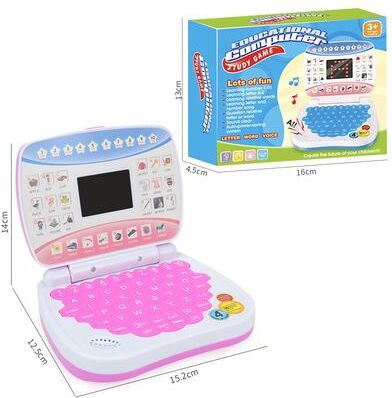
JoyToys Smart Kids Learning Laptop Educational Laptop Toy For Preschool English Learning & Skill Development pinkExperience the joy of watching your child learn through play with this educational laptop toy designed to make every lesson fun and engaging. Perfect for toddlers and preschoolers, this interactive learning computer introduces letters, numbers,...34,97 $*Shipping: 0,00 $Secure redirect to the provider
-
Trendy Discount Goods Kids Bowling Cans Balls Set Educational Toy Children Sports Durable Eco Friendly Safe Intelligence Development Kids Bowling Cans Balls Set Educational Toy Children Sports Durable Eco Friendly Safe Intelligence DevelopmentPerfect for Active Play: The Bowling Cans Balls Set is an exciting way to keep your kids engaged and active while improving their coordination. This toy set is perfect for encouraging physical activity, bringing children closer to their environment,...49,97 $*Shipping: 0,00 $Secure redirect to the provider
-
Inspired Living Montessori Pop Up Animal Learning Box For Fine Motor & Early Skill Development Montessori Pop Up Animal Learning Box For Fine Motor & Early Skill DevelopmentTurn playtime into a joyful learning experience with this engaging Montessori toy designed to spark curiosity and build essential skills. Created for toddlers and young children, this interactive pop up animal toy combines fun surprises with...23,97 $*Shipping: 0,00 $Secure redirect to the provider
-
Is the friend possessive?
Yes, the friend is possessive. This is evident from the fact that they are trying to control the narrator's actions and decisions, as well as expressing jealousy and possessiveness over the narrator's other relationships. The friend's possessive behavior is unhealthy and can be damaging to the narrator's well-being and independence. It is important for the narrator to set boundaries and communicate their needs in order to maintain a healthy friendship. **
-
What does possessive mean?
Possessive refers to showing ownership or control over something. It is used to indicate that something belongs to or is associated with a particular person or thing. In grammar, possessive forms are used to show that a noun belongs to someone or something. **
-
Are friends so possessive?
Friends can sometimes exhibit possessive behavior, especially if they feel insecure or threatened by the possibility of losing the friendship. This can manifest in actions such as wanting to control who their friend spends time with, becoming jealous of other friendships, or feeling entitled to their friend's time and attention. However, healthy friendships are built on trust, respect, and mutual support, and should not be based on possessiveness. It's important for friends to communicate openly and set boundaries to ensure a balanced and respectful relationship. **
-
What are possessive adjectives?
Possessive adjectives are used to indicate ownership or possession of a noun. They are placed before the noun and agree in gender and number with the noun they modify. In English, possessive adjectives include words like "my," "your," "his," "her," "its," "our," and "their." For example, in the sentence "I love my dog," "my" is a possessive adjective indicating that the dog belongs to the speaker. **
Similar search terms for Possessive
-
JoyToys Montessori Baby Sensory Tissue Box Early Learning Toy For Fine Motor Skill Development Montessori Baby Sensory Tissue Box Early Learning Toy For Fine Motor Skill DevelopmentExperience the joy of watching your little one learn through play with this Montessori baby toy designed to spark curiosity from the very first touch. This engaging sensory tissue box encourages babies to pull, grasp, explore, and discover while...34,97 $*Shipping: 0,00 $Secure redirect to the provider
-
Multisell Products Hub Magnetic Flashing Cube, Kids Fun Gift, Brain Game Modes For Intelligence Development colorfulEngage Your Child's Mind with the Flashing Cube Toy The Flashing Cube Kid Intelligence Develop toy is designed to boost cognitive skills and memory while keeping kids entertained for hours. This unique game combines magnetic memory elements with a...99,97 $*Shipping: 0,00 $Secure redirect to the provider
-
Uplift Curations Colorful Montessori Silicone Bead Toy For Sensory Learning & Early Development khakiTurn playtime into a meaningful learning experience for your little one. This engaging Montessori silicone bead toy is designed to stimulate your babys senses while encouraging handson exploration and creativity. With its bright colors and soft...82,50 $*Shipping: 0,00 $Secure redirect to the provider
-
Uplift Treasures Montessori Bell Toy For Sensory And Early Learning Development 1 SetIgnite joyful discovery and real developmental growth with a toy that goes beyond entertainment the Montessori bell toy designed for curious learners. This engaging, handson sensory learning toy invites toddlers to explore sound, coordination, and...141,97 $*Shipping: 0,00 $Secure redirect to the provider
-
What is the difference between a possessive pronoun and a possessive adjective?
A possessive pronoun replaces a noun and shows ownership or possession, such as "mine," "yours," "his," "hers," "ours," and "theirs." On the other hand, a possessive adjective modifies a noun to show ownership or possession, such as "my," "your," "his," "her," "our," and "their." In essence, possessive pronouns stand alone, while possessive adjectives are used before a noun to describe who owns or possesses it. **
-
What is the difference between possessive pronouns and possessive determiners in French?
Possessive pronouns in French replace a noun and show who it belongs to, such as "le mien" (mine) or "la sienne" (hers). Possessive determiners, on the other hand, come before the noun and indicate who it belongs to, such as "mon" (my) or "son" (his/her). In summary, possessive pronouns replace the noun, while possessive determiners come before the noun to indicate possession. **
-
What is a possessive determiner?
A possessive determiner is a word that is used before a noun to show ownership or possession. Examples of possessive determiners include words like "my," "your," "his," "her," "its," "our," and "their." These determiners indicate who the noun belongs to or is associated with. **
-
What does possessive buddy mean?
A possessive buddy refers to a friend who exhibits controlling or jealous behavior in a relationship. This can manifest in ways such as constantly checking in on the other person, becoming upset when they spend time with others, or trying to dictate their actions. It can be a sign of insecurity or a lack of trust in the relationship. Communication and setting boundaries are important in addressing possessive behavior in friendships. **
* All prices are inclusive of VAT and, if applicable, plus shipping costs. The offer information is based on the details provided by the respective shop and is updated through automated processes. Real-time updates do not occur, so deviations can occur in individual cases. ** Note: Parts of this content were created by AI.