Buy iqyp.com ?
We are moving the project
iqyp.com .
Are you interested in purchasing the domain
iqyp.com ?
domain@kv-gmbh.de · 0541-91531010
Buy iqyp.com ?
How do non-homologous recombination and homologous recombination work?
Non-homologous recombination involves the joining of two DNA molecules at non-homologous sequences, resulting in the insertion, deletion, or rearrangement of genetic material. This process is often error-prone and can lead to mutations. Homologous recombination, on the other hand, involves the exchange of genetic material between two similar DNA molecules, typically occurring during meiosis. This process is important for repairing DNA damage and ensuring genetic diversity. It involves the exchange of genetic material between homologous chromosomes, resulting in the formation of new combinations of genes. **
What is the difference between interchromosomal recombination and intrachromosomal recombination?
Interchromosomal recombination involves the exchange of genetic material between two different chromosomes, while intrachromosomal recombination involves the exchange of genetic material within the same chromosome. Interchromosomal recombination can result in the creation of new combinations of genes from different chromosomes, leading to genetic diversity. In contrast, intrachromosomal recombination can lead to the repair of DNA damage or the creation of genetic variation within the same chromosome. Both processes are important for genetic diversity and evolution. **

Similar search terms for Recombination
Top-Angebote
Products related to Recombination:
-
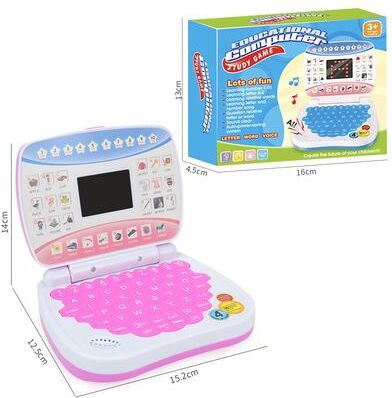
JoyToys Smart Kids Learning Laptop Educational Laptop Toy For Preschool English Learning & Skill Development pinkExperience the joy of watching your child learn through play with this educational laptop toy designed to make every lesson fun and engaging. Perfect for toddlers and preschoolers, this interactive learning computer introduces letters, numbers,...34,97 $*Shipping: 0,00 $Secure redirect to the provider
-
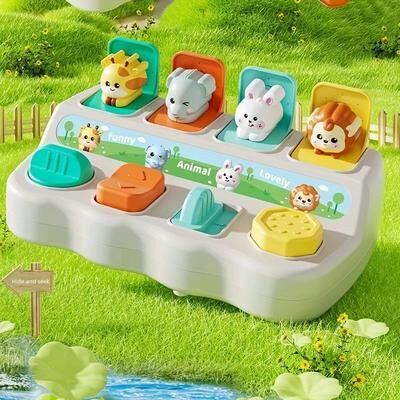
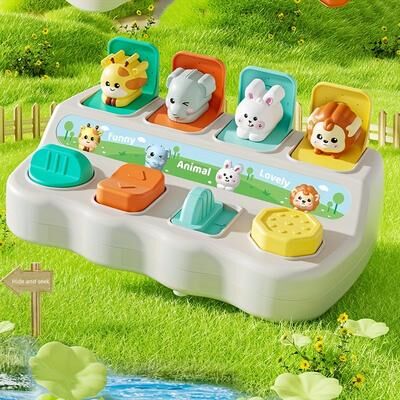
Inspired Living Montessori Pop Up Animal Learning Box For Fine Motor & Early Skill Development Montessori Pop Up Animal Learning Box For Fine Motor & Early Skill DevelopmentTurn playtime into a joyful learning experience with this engaging Montessori toy designed to spark curiosity and build essential skills. Created for toddlers and young children, this interactive pop up animal toy combines fun surprises with...23,97 $*Shipping: 0,00 $Secure redirect to the provider
-
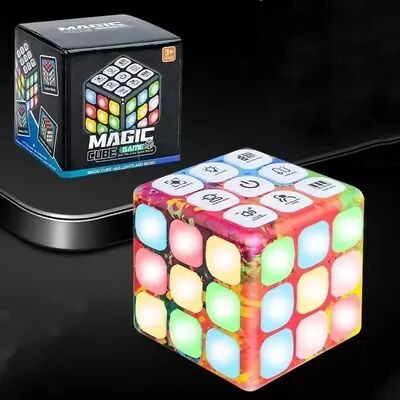
Multisell Products Hub Magnetic Flashing Cube, Kids Fun Gift, Brain Game Modes For Intelligence Development colorfulEngage Your Child's Mind with the Flashing Cube Toy The Flashing Cube Kid Intelligence Develop toy is designed to boost cognitive skills and memory while keeping kids entertained for hours. This unique game combines magnetic memory elements with a...99,97 $*Shipping: 0,00 $Secure redirect to the provider
-
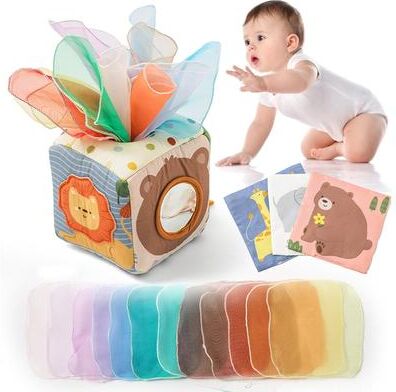
JoyToys Montessori Baby Sensory Tissue Box Early Learning Toy For Fine Motor Skill Development Montessori Baby Sensory Tissue Box Early Learning Toy For Fine Motor Skill DevelopmentExperience the joy of watching your little one learn through play with this Montessori baby toy designed to spark curiosity from the very first touch. This engaging sensory tissue box encourages babies to pull, grasp, explore, and discover while...34,97 $*Shipping: 0,00 $Secure redirect to the provider
-
What is the difference between intrachromosomal recombination and interchromosomal recombination?
Intrachromosomal recombination occurs between two different regions of the same chromosome, leading to the exchange of genetic material within the same chromosome. On the other hand, interchromosomal recombination involves the exchange of genetic material between two different chromosomes. Intrachromosomal recombination can lead to the creation of genetic diversity within a single chromosome, while interchromosomal recombination can result in the exchange of genetic material between different chromosomes, leading to genetic diversity among different chromosomes. **
-
What is recombination in biology?
Recombination in biology refers to the process by which genetic material from two different sources is combined to produce a new combination of genes. This can occur through sexual reproduction, where genetic material from two parents is combined to create offspring with a unique genetic makeup. Recombination plays a crucial role in generating genetic diversity within populations, which is important for evolution and adaptation to changing environments. In organisms that reproduce sexually, recombination occurs during meiosis, where homologous chromosomes exchange genetic material through a process called crossing over. **
-
What is recombination and genetic variability?
Recombination is the process by which genetic material is exchanged between two similar molecules of DNA, resulting in new combinations of genes. This process occurs during meiosis, the cell division that produces gametes (sperm and egg cells). Genetic variability refers to the diversity of genetic material within a population, which is influenced by factors such as recombination, mutations, and gene flow. Recombination plays a key role in generating genetic variability by creating new combinations of genes, which can lead to increased diversity and adaptation within a population. **
-
How does crossing-over influence recombination?
Crossing-over is a process during meiosis where homologous chromosomes exchange genetic material. This exchange of genetic material results in new combinations of alleles on the chromosomes, leading to genetic recombination. By shuffling genetic material between homologous chromosomes, crossing-over increases genetic diversity in offspring and can result in the creation of new combinations of traits. This process is essential for generating genetic variation within a population and plays a crucial role in evolution. **
How many offspring are produced through recombination?
Recombination typically results in two offspring being produced. This is because during recombination, genetic material from two parent organisms is combined to create a new individual with a unique combination of traits. This process allows for genetic diversity and variation within a population. **
When does disproportionation occur instead of recombination?
Disproportionation occurs when a single species is both oxidized and reduced in a reaction, leading to the formation of two different products with different oxidation states. This process typically occurs when the species involved can exist in multiple oxidation states and there is no suitable reactant available for recombination. In contrast, recombination occurs when two species with different oxidation states combine to form a single product with an intermediate oxidation state. **
Top-Angebote
Products related to Recombination:
-
Perfect Picks Market Geometric Building Blocks Set For Kids Early Education Intelligence Development Toy Geometric Building Blocks Set For Kids Early Education Intelligence Development ToyUnlock your child's potential with this early education equipment designed to stimulate creativity and intelligence! This geometric set is the perfect building block toy for boys, helping to develop problemsolving skills while having fun. The...35,97 $*Shipping: 0,00 $Secure redirect to the provider
-
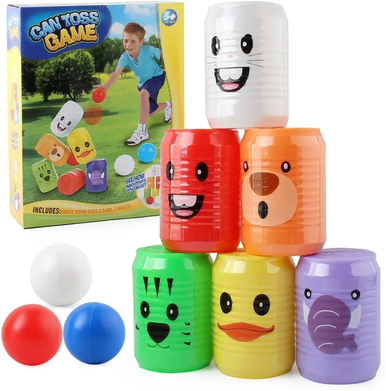
Trendy Discount Goods Kids Bowling Cans Balls Set Educational Toy Children Sports Durable Eco Friendly Safe Intelligence Development Kids Bowling Cans Balls Set Educational Toy Children Sports Durable Eco Friendly Safe Intelligence DevelopmentPerfect for Active Play: The Bowling Cans Balls Set is an exciting way to keep your kids engaged and active while improving their coordination. This toy set is perfect for encouraging physical activity, bringing children closer to their environment,...49,97 $*Shipping: 0,00 $Secure redirect to the provider
-
JoyToys Smart Kids Learning Laptop Educational Laptop Toy For Preschool English Learning & Skill Development pinkExperience the joy of watching your child learn through play with this educational laptop toy designed to make every lesson fun and engaging. Perfect for toddlers and preschoolers, this interactive learning computer introduces letters, numbers,...34,97 $*Shipping: 0,00 $Secure redirect to the provider
-
Inspired Living Montessori Pop Up Animal Learning Box For Fine Motor & Early Skill Development Montessori Pop Up Animal Learning Box For Fine Motor & Early Skill DevelopmentTurn playtime into a joyful learning experience with this engaging Montessori toy designed to spark curiosity and build essential skills. Created for toddlers and young children, this interactive pop up animal toy combines fun surprises with...23,97 $*Shipping: 0,00 $Secure redirect to the provider
-
How do non-homologous recombination and homologous recombination work?
Non-homologous recombination involves the joining of two DNA molecules at non-homologous sequences, resulting in the insertion, deletion, or rearrangement of genetic material. This process is often error-prone and can lead to mutations. Homologous recombination, on the other hand, involves the exchange of genetic material between two similar DNA molecules, typically occurring during meiosis. This process is important for repairing DNA damage and ensuring genetic diversity. It involves the exchange of genetic material between homologous chromosomes, resulting in the formation of new combinations of genes. **
-
What is the difference between interchromosomal recombination and intrachromosomal recombination?
Interchromosomal recombination involves the exchange of genetic material between two different chromosomes, while intrachromosomal recombination involves the exchange of genetic material within the same chromosome. Interchromosomal recombination can result in the creation of new combinations of genes from different chromosomes, leading to genetic diversity. In contrast, intrachromosomal recombination can lead to the repair of DNA damage or the creation of genetic variation within the same chromosome. Both processes are important for genetic diversity and evolution. **
-
What is the difference between intrachromosomal recombination and interchromosomal recombination?
Intrachromosomal recombination occurs between two different regions of the same chromosome, leading to the exchange of genetic material within the same chromosome. On the other hand, interchromosomal recombination involves the exchange of genetic material between two different chromosomes. Intrachromosomal recombination can lead to the creation of genetic diversity within a single chromosome, while interchromosomal recombination can result in the exchange of genetic material between different chromosomes, leading to genetic diversity among different chromosomes. **
-
What is recombination in biology?
Recombination in biology refers to the process by which genetic material from two different sources is combined to produce a new combination of genes. This can occur through sexual reproduction, where genetic material from two parents is combined to create offspring with a unique genetic makeup. Recombination plays a crucial role in generating genetic diversity within populations, which is important for evolution and adaptation to changing environments. In organisms that reproduce sexually, recombination occurs during meiosis, where homologous chromosomes exchange genetic material through a process called crossing over. **
Similar search terms for Recombination
-
Multisell Products Hub Magnetic Flashing Cube, Kids Fun Gift, Brain Game Modes For Intelligence Development colorfulEngage Your Child's Mind with the Flashing Cube Toy The Flashing Cube Kid Intelligence Develop toy is designed to boost cognitive skills and memory while keeping kids entertained for hours. This unique game combines magnetic memory elements with a...99,97 $*Shipping: 0,00 $Secure redirect to the provider
-
JoyToys Montessori Baby Sensory Tissue Box Early Learning Toy For Fine Motor Skill Development Montessori Baby Sensory Tissue Box Early Learning Toy For Fine Motor Skill DevelopmentExperience the joy of watching your little one learn through play with this Montessori baby toy designed to spark curiosity from the very first touch. This engaging sensory tissue box encourages babies to pull, grasp, explore, and discover while...34,97 $*Shipping: 0,00 $Secure redirect to the provider
-
Market Central Montessori Pop Up Animal Toy Learning Box For Kids Logic And Motor Skill Development Montessori Pop Up Animal Toy Learning Box For Kids Logic And Motor Skill DevelopmentMake learning exciting with a playful toy that helps children explore, discover, and build confidence through handson activities. This Montessori pop up animal toy combines fun surprises with skillbuilding exercises designed for toddlers and young...37,97 $*Shipping: 0,00 $Secure redirect to the provider
-
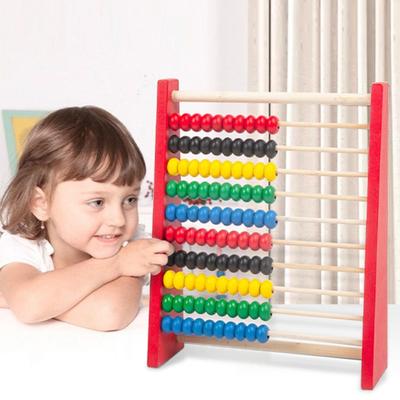
Youfap Market Montessori Toy Mini Children Toys, Wooden Abacus For Kids, Colorful Beads Intelligence Development Educational Toy woodEnhance Learning with a Wooden Abacus for Kids Introduce your child to a world of early learning with this Wooden Abacus for Kids Colorful Beads. Perfect for preschoolers, it combines handson play with cognitive growth. Children can count, sort, and...34,97 $*Shipping: 0,00 $Secure redirect to the provider
-
What is recombination and genetic variability?
Recombination is the process by which genetic material is exchanged between two similar molecules of DNA, resulting in new combinations of genes. This process occurs during meiosis, the cell division that produces gametes (sperm and egg cells). Genetic variability refers to the diversity of genetic material within a population, which is influenced by factors such as recombination, mutations, and gene flow. Recombination plays a key role in generating genetic variability by creating new combinations of genes, which can lead to increased diversity and adaptation within a population. **
-
How does crossing-over influence recombination?
Crossing-over is a process during meiosis where homologous chromosomes exchange genetic material. This exchange of genetic material results in new combinations of alleles on the chromosomes, leading to genetic recombination. By shuffling genetic material between homologous chromosomes, crossing-over increases genetic diversity in offspring and can result in the creation of new combinations of traits. This process is essential for generating genetic variation within a population and plays a crucial role in evolution. **
-
How many offspring are produced through recombination?
Recombination typically results in two offspring being produced. This is because during recombination, genetic material from two parent organisms is combined to create a new individual with a unique combination of traits. This process allows for genetic diversity and variation within a population. **
-
When does disproportionation occur instead of recombination?
Disproportionation occurs when a single species is both oxidized and reduced in a reaction, leading to the formation of two different products with different oxidation states. This process typically occurs when the species involved can exist in multiple oxidation states and there is no suitable reactant available for recombination. In contrast, recombination occurs when two species with different oxidation states combine to form a single product with an intermediate oxidation state. **
* All prices are inclusive of VAT and, if applicable, plus shipping costs. The offer information is based on the details provided by the respective shop and is updated through automated processes. Real-time updates do not occur, so deviations can occur in individual cases. ** Note: Parts of this content were created by AI.