Buy iqyp.com ?
We are moving the project
iqyp.com .
Are you interested in purchasing the domain
iqyp.com ?
domain@kv-gmbh.de · 0541-91531010
Buy iqyp.com ?
What is religious pluralism and what are the three phases of historical religious development?
Religious pluralism is the acceptance and coexistence of different religious beliefs and practices within a society. It acknowledges that there are multiple paths to understanding and experiencing the divine, and that no single religion holds a monopoly on truth. The three phases of historical religious development are animism, polytheism, and monotheism. Animism is the belief that all natural objects and phenomena have a soul or spirit. Polytheism is the belief in and worship of multiple gods and goddesses. Monotheism is the belief in and worship of a single, all-powerful deity. These phases represent the evolution of human understanding and interpretation of the divine throughout history. **
How can the three phases of historical religious development be represented?
The three phases of historical religious development can be represented through the lens of evolution, adaptation, and transformation. In the evolution phase, religions develop and change over time, adapting to new cultural, social, and political contexts. The adaptation phase involves religions adjusting to new ideas, beliefs, and practices, often in response to external influences. Finally, the transformation phase occurs when religions undergo significant changes, such as the emergence of new sects or the reinterpretation of traditional teachings. These three phases provide a framework for understanding the dynamic nature of religious development throughout history. **


Similar search terms for Religious
Top-Angebote
Products related to Religious:
-
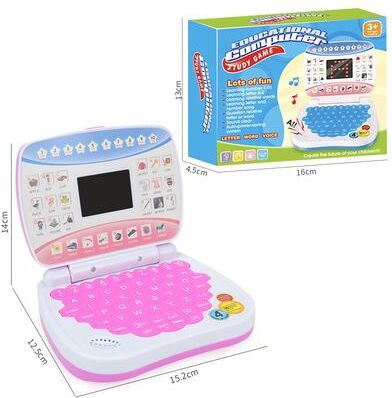
JoyToys Smart Kids Learning Laptop Educational Laptop Toy For Preschool English Learning & Skill Development pinkExperience the joy of watching your child learn through play with this educational laptop toy designed to make every lesson fun and engaging. Perfect for toddlers and preschoolers, this interactive learning computer introduces letters, numbers,...34,97 $*Shipping: 0,00 $Secure redirect to the provider
-
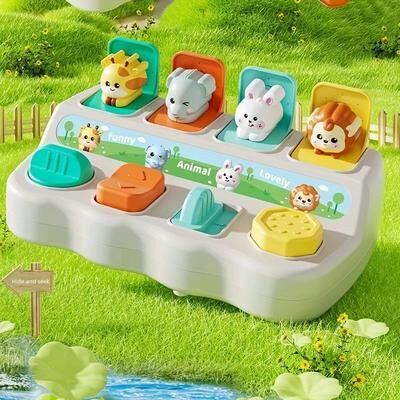
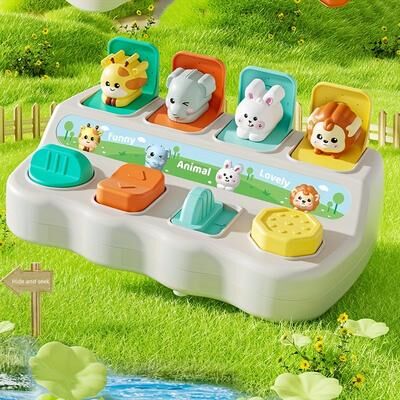
Inspired Living Montessori Pop Up Animal Learning Box For Fine Motor & Early Skill Development Montessori Pop Up Animal Learning Box For Fine Motor & Early Skill DevelopmentTurn playtime into a joyful learning experience with this engaging Montessori toy designed to spark curiosity and build essential skills. Created for toddlers and young children, this interactive pop up animal toy combines fun surprises with...23,97 $*Shipping: 0,00 $Secure redirect to the provider
-
Multisell Products Hub Magnetic Flashing Cube, Kids Fun Gift, Brain Game Modes For Intelligence Development colorfulEngage Your Child's Mind with the Flashing Cube Toy The Flashing Cube Kid Intelligence Develop toy is designed to boost cognitive skills and memory while keeping kids entertained for hours. This unique game combines magnetic memory elements with a...99,97 $*Shipping: 0,00 $Secure redirect to the provider
-
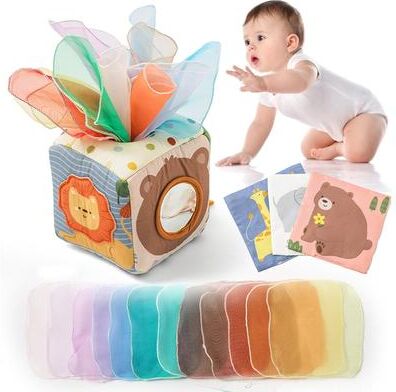
JoyToys Montessori Baby Sensory Tissue Box Early Learning Toy For Fine Motor Skill Development Montessori Baby Sensory Tissue Box Early Learning Toy For Fine Motor Skill DevelopmentExperience the joy of watching your little one learn through play with this Montessori baby toy designed to spark curiosity from the very first touch. This engaging sensory tissue box encourages babies to pull, grasp, explore, and discover while...34,97 $*Shipping: 0,00 $Secure redirect to the provider

-
Why do non-religious people not celebrate religious holidays?
Non-religious people may choose not to celebrate religious holidays because they do not adhere to the beliefs or practices associated with those holidays. They may not find personal significance or meaning in the religious aspects of the holidays and therefore do not feel compelled to participate. Additionally, some non-religious individuals may prefer to celebrate holidays that align more closely with their own values and beliefs. **
-
Do you believe that all religious teachers are religious?
No, I do not believe that all religious teachers are necessarily religious themselves. While many religious teachers are indeed deeply religious and committed to their faith, there are also individuals who may teach about religion from a more academic or historical perspective without necessarily being personally religious. Additionally, some religious teachers may have a more spiritual or philosophical approach to their teachings rather than a strictly religious one. Therefore, it is important to recognize that religious teachers can come from a variety of backgrounds and perspectives. **
-
What do religious leaders say about other religious leaders?
Religious leaders often speak about other religious leaders with respect and admiration, acknowledging their dedication to serving their communities and spreading their faith. They may also emphasize the importance of interfaith dialogue and cooperation, promoting understanding and unity among different religious traditions. Additionally, religious leaders may highlight the shared values and teachings that are present in various faiths, emphasizing the common goal of promoting peace, compassion, and justice. Overall, religious leaders tend to express a message of mutual respect and cooperation when discussing their counterparts in other religious traditions. **
-
Can religious ultra-Orthodox be compared to religious extremists?
Religious ultra-Orthodox and religious extremists can share some similarities, such as a strict adherence to religious laws and traditions, and a resistance to modern secular influences. However, it is important to note that not all ultra-Orthodox individuals are extremists, and not all religious extremists are ultra-Orthodox. While some ultra-Orthodox groups may hold extreme views and engage in radical behavior, it is not accurate or fair to categorize all ultra-Orthodox individuals as extremists. It is important to approach each group or individual with an open mind and not make assumptions based on stereotypes. **

Are religious people more intelligent than non-religious people?
Intelligence is a complex and multifaceted trait that cannot be solely determined by a person's religious beliefs. There is no conclusive evidence to suggest that religious people are inherently more intelligent than non-religious people, as intelligence is influenced by a variety of factors such as genetics, environment, education, and life experiences. It is important to recognize that individuals of all religious and non-religious backgrounds have the capacity for intelligence and critical thinking. Therefore, it is not accurate to make generalizations about the intelligence of religious versus non-religious individuals. **
Are most religious people nicer than non-religious people?
It is not accurate to make a blanket statement about the behavior of most religious people compared to non-religious people. People's behavior is influenced by a variety of factors, including their individual personalities, upbringing, and personal beliefs. While some religious individuals may exhibit kindness and compassion as a result of their faith, there are also many non-religious individuals who demonstrate these qualities. It is important to recognize that kindness and compassion are not exclusive to any particular group and can be found in people of all backgrounds and beliefs. **
Top-Angebote
Products related to Religious:
-
Perfect Picks Market Geometric Building Blocks Set For Kids Early Education Intelligence Development Toy Geometric Building Blocks Set For Kids Early Education Intelligence Development ToyUnlock your child's potential with this early education equipment designed to stimulate creativity and intelligence! This geometric set is the perfect building block toy for boys, helping to develop problemsolving skills while having fun. The...35,97 $*Shipping: 0,00 $Secure redirect to the provider
-
Trendy Discount Goods Kids Bowling Cans Balls Set Educational Toy Children Sports Durable Eco Friendly Safe Intelligence Development Kids Bowling Cans Balls Set Educational Toy Children Sports Durable Eco Friendly Safe Intelligence DevelopmentPerfect for Active Play: The Bowling Cans Balls Set is an exciting way to keep your kids engaged and active while improving their coordination. This toy set is perfect for encouraging physical activity, bringing children closer to their environment,...49,97 $*Shipping: 0,00 $Secure redirect to the provider
-
JoyToys Smart Kids Learning Laptop Educational Laptop Toy For Preschool English Learning & Skill Development pinkExperience the joy of watching your child learn through play with this educational laptop toy designed to make every lesson fun and engaging. Perfect for toddlers and preschoolers, this interactive learning computer introduces letters, numbers,...34,97 $*Shipping: 0,00 $Secure redirect to the provider
-
Inspired Living Montessori Pop Up Animal Learning Box For Fine Motor & Early Skill Development Montessori Pop Up Animal Learning Box For Fine Motor & Early Skill DevelopmentTurn playtime into a joyful learning experience with this engaging Montessori toy designed to spark curiosity and build essential skills. Created for toddlers and young children, this interactive pop up animal toy combines fun surprises with...23,97 $*Shipping: 0,00 $Secure redirect to the provider
-
What is religious pluralism and what are the three phases of historical religious development?
Religious pluralism is the acceptance and coexistence of different religious beliefs and practices within a society. It acknowledges that there are multiple paths to understanding and experiencing the divine, and that no single religion holds a monopoly on truth. The three phases of historical religious development are animism, polytheism, and monotheism. Animism is the belief that all natural objects and phenomena have a soul or spirit. Polytheism is the belief in and worship of multiple gods and goddesses. Monotheism is the belief in and worship of a single, all-powerful deity. These phases represent the evolution of human understanding and interpretation of the divine throughout history. **
-
How can the three phases of historical religious development be represented?
The three phases of historical religious development can be represented through the lens of evolution, adaptation, and transformation. In the evolution phase, religions develop and change over time, adapting to new cultural, social, and political contexts. The adaptation phase involves religions adjusting to new ideas, beliefs, and practices, often in response to external influences. Finally, the transformation phase occurs when religions undergo significant changes, such as the emergence of new sects or the reinterpretation of traditional teachings. These three phases provide a framework for understanding the dynamic nature of religious development throughout history. **
-
Why do non-religious people not celebrate religious holidays?
Non-religious people may choose not to celebrate religious holidays because they do not adhere to the beliefs or practices associated with those holidays. They may not find personal significance or meaning in the religious aspects of the holidays and therefore do not feel compelled to participate. Additionally, some non-religious individuals may prefer to celebrate holidays that align more closely with their own values and beliefs. **
-
Do you believe that all religious teachers are religious?
No, I do not believe that all religious teachers are necessarily religious themselves. While many religious teachers are indeed deeply religious and committed to their faith, there are also individuals who may teach about religion from a more academic or historical perspective without necessarily being personally religious. Additionally, some religious teachers may have a more spiritual or philosophical approach to their teachings rather than a strictly religious one. Therefore, it is important to recognize that religious teachers can come from a variety of backgrounds and perspectives. **
Similar search terms for Religious
-
Multisell Products Hub Magnetic Flashing Cube, Kids Fun Gift, Brain Game Modes For Intelligence Development colorfulEngage Your Child's Mind with the Flashing Cube Toy The Flashing Cube Kid Intelligence Develop toy is designed to boost cognitive skills and memory while keeping kids entertained for hours. This unique game combines magnetic memory elements with a...99,97 $*Shipping: 0,00 $Secure redirect to the provider
-
JoyToys Montessori Baby Sensory Tissue Box Early Learning Toy For Fine Motor Skill Development Montessori Baby Sensory Tissue Box Early Learning Toy For Fine Motor Skill DevelopmentExperience the joy of watching your little one learn through play with this Montessori baby toy designed to spark curiosity from the very first touch. This engaging sensory tissue box encourages babies to pull, grasp, explore, and discover while...34,97 $*Shipping: 0,00 $Secure redirect to the provider
-
Market Central Montessori Pop Up Animal Toy Learning Box For Kids Logic And Motor Skill Development Montessori Pop Up Animal Toy Learning Box For Kids Logic And Motor Skill DevelopmentMake learning exciting with a playful toy that helps children explore, discover, and build confidence through handson activities. This Montessori pop up animal toy combines fun surprises with skillbuilding exercises designed for toddlers and young...37,97 $*Shipping: 0,00 $Secure redirect to the provider
-
PRiME Magic Speed Cube Colorful Puzzle Toy For Kids, Brain Teaser, Intelligence Development, Fun Educational Gift twist CubeBoost Brainpower with a Fun Challenge Bring endless fun and learning to your childs playtime with this Unique 3x3x3 Magic Speed Cube Colorful Twist Puzzle. Designed for young minds and curious fingers, this toy offers an engaging way to develop...27,97 $*Shipping: 0,00 $Secure redirect to the provider
-
What do religious leaders say about other religious leaders?
Religious leaders often speak about other religious leaders with respect and admiration, acknowledging their dedication to serving their communities and spreading their faith. They may also emphasize the importance of interfaith dialogue and cooperation, promoting understanding and unity among different religious traditions. Additionally, religious leaders may highlight the shared values and teachings that are present in various faiths, emphasizing the common goal of promoting peace, compassion, and justice. Overall, religious leaders tend to express a message of mutual respect and cooperation when discussing their counterparts in other religious traditions. **
-
Can religious ultra-Orthodox be compared to religious extremists?
Religious ultra-Orthodox and religious extremists can share some similarities, such as a strict adherence to religious laws and traditions, and a resistance to modern secular influences. However, it is important to note that not all ultra-Orthodox individuals are extremists, and not all religious extremists are ultra-Orthodox. While some ultra-Orthodox groups may hold extreme views and engage in radical behavior, it is not accurate or fair to categorize all ultra-Orthodox individuals as extremists. It is important to approach each group or individual with an open mind and not make assumptions based on stereotypes. **
-
Are religious people more intelligent than non-religious people?
Intelligence is a complex and multifaceted trait that cannot be solely determined by a person's religious beliefs. There is no conclusive evidence to suggest that religious people are inherently more intelligent than non-religious people, as intelligence is influenced by a variety of factors such as genetics, environment, education, and life experiences. It is important to recognize that individuals of all religious and non-religious backgrounds have the capacity for intelligence and critical thinking. Therefore, it is not accurate to make generalizations about the intelligence of religious versus non-religious individuals. **
-
Are most religious people nicer than non-religious people?
It is not accurate to make a blanket statement about the behavior of most religious people compared to non-religious people. People's behavior is influenced by a variety of factors, including their individual personalities, upbringing, and personal beliefs. While some religious individuals may exhibit kindness and compassion as a result of their faith, there are also many non-religious individuals who demonstrate these qualities. It is important to recognize that kindness and compassion are not exclusive to any particular group and can be found in people of all backgrounds and beliefs. **
* All prices are inclusive of VAT and, if applicable, plus shipping costs. The offer information is based on the details provided by the respective shop and is updated through automated processes. Real-time updates do not occur, so deviations can occur in individual cases. ** Note: Parts of this content were created by AI.