Buy iqyp.com ?
We are moving the project
iqyp.com .
Are you interested in purchasing the domain
iqyp.com ?
domain@kv-gmbh.de · 0541-91531010
Buy iqyp.com ?
What is the membrane potential?
The membrane potential is the difference in electric charge between the inside and outside of a cell membrane. It is created by the unequal distribution of ions, such as sodium, potassium, chloride, and calcium, across the membrane. This difference in charge allows the cell to generate and transmit electrical signals, which are essential for processes such as nerve conduction, muscle contraction, and cell communication. The membrane potential is maintained by the activity of ion channels and pumps in the cell membrane. **
Why doesn't Roblox Ro Shade work?
Roblox Ro Shade may not work due to a variety of reasons, including technical issues, bugs, or glitches within the game. It is also possible that the game may not be compatible with certain devices or operating systems. Additionally, server issues or maintenance may also cause Ro Shade to not work properly. It is recommended to check for any updates or announcements from the game developers to see if they are aware of any issues and are working to resolve them. **
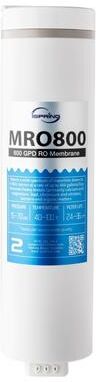

Similar search terms for ISpring-MRO800-RO-Membrane
Top-Angebote
Products related to ISpring-MRO800-RO-Membrane:
-
iSpring Greatwell MRO400 400 GPD RO Membrane ReplacementFits Greatwell ROG400 RO system. Package includes one 400 GPD RO membrane with a 1.5:1 pure to drain ratio. It removes up to 99% of over 1,000 contaminants including lead, fluoride, arsenic, asbestos, and more. Lasts up to 3 years.245,99 $*Shipping: 0,00 $Secure redirect to the provider
-
iSpring MCD100HC RO Membrane Replacement Filter for RCD100HCG Countertop RO System, Replacement Cycle: Up to 24 MonthsLong-Lasting RO Membrane: Specifically designed for the iSpring RCD100HCG countertop Reverse Osmosis system, this membrane is built to last up to 24 months, with performance influenced by water quality and consumption High Capacity: MCD100HC RO…64,91 $*Shipping: 0,00 $Secure redirect to the provider



-
How is the resting potential and membrane potential created?
The resting potential is created by the unequal distribution of ions across the cell membrane. This is maintained by the sodium-potassium pump, which actively transports sodium ions out of the cell and potassium ions into the cell. The membrane potential is created by the separation of charges across the cell membrane, with the inside of the cell being more negatively charged compared to the outside. This is due to the presence of negatively charged proteins inside the cell and the movement of ions across the membrane. **
-
What is the resting potential and the membrane potential?
The resting potential is the electrical potential difference across the membrane of a neuron when it is not being stimulated. It is typically around -70 millivolts and is maintained by the unequal distribution of ions across the membrane. The membrane potential refers to the difference in electrical charge between the inside and outside of the cell membrane, which is essential for the transmission of signals in neurons. **
-
What is the difference between resting potential and membrane potential?
Resting potential refers to the membrane potential of a neuron when it is not being stimulated or sending signals. It is typically around -70 millivolts and represents the baseline electrical charge of the neuron. Membrane potential, on the other hand, refers to the difference in electrical charge between the inside and outside of a neuron's cell membrane at any given moment, including both resting and active states. In summary, resting potential is a specific type of membrane potential that represents the neuron's baseline electrical state when not actively transmitting signals. **
-
How is the resting potential and the membrane potential formed?
The resting potential is the electrical potential difference across the membrane of a neuron when it is not being stimulated. This potential is formed by the unequal distribution of ions across the membrane, with more sodium ions outside the cell and more potassium ions inside the cell. The membrane potential is formed by the movement of these ions through ion channels in the membrane, which are selectively permeable to specific ions. The resting potential is maintained by the sodium-potassium pump, which actively transports sodium out of the cell and potassium into the cell, helping to maintain the concentration gradients of these ions. **

What is the difference between equilibrium potential, resting potential, and membrane potential?
Equilibrium potential is the membrane potential at which the net flow of a particular ion across the membrane is zero. Resting potential is the membrane potential of a cell when it is at rest, typically around -70 millivolts in neurons. Membrane potential refers to the difference in electrical charge between the inside and outside of a cell, which is maintained by the selective permeability of the cell membrane to different ions. In summary, equilibrium potential is the potential at which there is no net flow of ions, resting potential is the potential of a cell at rest, and membrane potential is the overall potential across the cell membrane. **
How are stimulus intensity and membrane potential related?
Stimulus intensity and membrane potential are related in that the strength of a stimulus can directly affect the membrane potential of a cell. When a stimulus is applied to a cell, it can cause a change in the membrane potential, either depolarizing or hyperpolarizing the cell. The magnitude of the change in membrane potential is directly related to the intensity of the stimulus. A stronger stimulus will typically result in a larger change in membrane potential, while a weaker stimulus will result in a smaller change. This relationship between stimulus intensity and membrane potential is important for the transmission of signals in the nervous system and for the generation of action potentials. **
Top-Angebote
Products related to ISpring-MRO800-RO-Membrane:
-
iSpring Greatwell MRO400 400 GPD RO Membrane ReplacementFits Greatwell ROG400 RO system. Package includes one 400 GPD RO membrane with a 1.5:1 pure to drain ratio. It removes up to 99% of over 1,000 contaminants including lead, fluoride, arsenic, asbestos, and more. Lasts up to 3 years.245,99 $*Shipping: 0,00 $Secure redirect to the provider
-
What is the membrane potential?
The membrane potential is the difference in electric charge between the inside and outside of a cell membrane. It is created by the unequal distribution of ions, such as sodium, potassium, chloride, and calcium, across the membrane. This difference in charge allows the cell to generate and transmit electrical signals, which are essential for processes such as nerve conduction, muscle contraction, and cell communication. The membrane potential is maintained by the activity of ion channels and pumps in the cell membrane. **
-
Why doesn't Roblox Ro Shade work?
Roblox Ro Shade may not work due to a variety of reasons, including technical issues, bugs, or glitches within the game. It is also possible that the game may not be compatible with certain devices or operating systems. Additionally, server issues or maintenance may also cause Ro Shade to not work properly. It is recommended to check for any updates or announcements from the game developers to see if they are aware of any issues and are working to resolve them. **
-
How is the resting potential and membrane potential created?
The resting potential is created by the unequal distribution of ions across the cell membrane. This is maintained by the sodium-potassium pump, which actively transports sodium ions out of the cell and potassium ions into the cell. The membrane potential is created by the separation of charges across the cell membrane, with the inside of the cell being more negatively charged compared to the outside. This is due to the presence of negatively charged proteins inside the cell and the movement of ions across the membrane. **
-
What is the resting potential and the membrane potential?
The resting potential is the electrical potential difference across the membrane of a neuron when it is not being stimulated. It is typically around -70 millivolts and is maintained by the unequal distribution of ions across the membrane. The membrane potential refers to the difference in electrical charge between the inside and outside of the cell membrane, which is essential for the transmission of signals in neurons. **
Similar search terms for ISpring-MRO800-RO-Membrane
-
iSpring MCD100HC RO Membrane Replacement Filter for RCD100HCG Countertop RO System, Replacement Cycle: Up to 24 MonthsLong-Lasting RO Membrane: Specifically designed for the iSpring RCD100HCG countertop Reverse Osmosis system, this membrane is built to last up to 24 months, with performance influenced by water quality and consumption High Capacity: MCD100HC RO…64,91 $*Shipping: 0,00 $Secure redirect to the provider
-
iSpring MC3 300 GPD Commercial Reverse Osmosis Membrane"300GPD Commercial Reverse Osmosis Membrane, tested by independent third-party to meet NSF/ANSI Standard TFC (Thin Film Composite) membrane Rejects wide spectrum of impurities down to . 0001 micron Fits commercial membrane housing that uses 2. 8""x12""…"169,73 $*Shipping: 0,00 $Secure redirect to the provider
-
What is the difference between resting potential and membrane potential?
Resting potential refers to the membrane potential of a neuron when it is not being stimulated or sending signals. It is typically around -70 millivolts and represents the baseline electrical charge of the neuron. Membrane potential, on the other hand, refers to the difference in electrical charge between the inside and outside of a neuron's cell membrane at any given moment, including both resting and active states. In summary, resting potential is a specific type of membrane potential that represents the neuron's baseline electrical state when not actively transmitting signals. **
-
How is the resting potential and the membrane potential formed?
The resting potential is the electrical potential difference across the membrane of a neuron when it is not being stimulated. This potential is formed by the unequal distribution of ions across the membrane, with more sodium ions outside the cell and more potassium ions inside the cell. The membrane potential is formed by the movement of these ions through ion channels in the membrane, which are selectively permeable to specific ions. The resting potential is maintained by the sodium-potassium pump, which actively transports sodium out of the cell and potassium into the cell, helping to maintain the concentration gradients of these ions. **
-
What is the difference between equilibrium potential, resting potential, and membrane potential?
Equilibrium potential is the membrane potential at which the net flow of a particular ion across the membrane is zero. Resting potential is the membrane potential of a cell when it is at rest, typically around -70 millivolts in neurons. Membrane potential refers to the difference in electrical charge between the inside and outside of a cell, which is maintained by the selective permeability of the cell membrane to different ions. In summary, equilibrium potential is the potential at which there is no net flow of ions, resting potential is the potential of a cell at rest, and membrane potential is the overall potential across the cell membrane. **
-
How are stimulus intensity and membrane potential related?
Stimulus intensity and membrane potential are related in that the strength of a stimulus can directly affect the membrane potential of a cell. When a stimulus is applied to a cell, it can cause a change in the membrane potential, either depolarizing or hyperpolarizing the cell. The magnitude of the change in membrane potential is directly related to the intensity of the stimulus. A stronger stimulus will typically result in a larger change in membrane potential, while a weaker stimulus will result in a smaller change. This relationship between stimulus intensity and membrane potential is important for the transmission of signals in the nervous system and for the generation of action potentials. **
* All prices are inclusive of VAT and, if applicable, plus shipping costs. The offer information is based on the details provided by the respective shop and is updated through automated processes. Real-time updates do not occur, so deviations can occur in individual cases. ** Note: Parts of this content were created by AI.