Buy iqyp.com ?
We are moving the project
iqyp.com .
Are you interested in purchasing the domain
iqyp.com ?
domain@kv-gmbh.de · 0541-91531010
Buy iqyp.com ?
What is ecological potential and the tolerance curve?
Ecological potential refers to the maximum capacity of an ecosystem to support a particular species or population. It takes into account various factors such as resource availability, habitat suitability, and interactions with other species. On the other hand, a tolerance curve represents the range of environmental conditions within which a species can survive and thrive. It shows how an organism's performance is affected by different levels of a specific environmental factor, such as temperature or pH. By understanding both ecological potential and tolerance curves, scientists can better assess the health and resilience of ecosystems and predict how species may respond to environmental changes. **
What is ecological potential in biology and ecology?
Ecological potential refers to the maximum capacity of an ecosystem to support a particular species or community. It takes into account the physical and biological factors that influence the distribution and abundance of organisms within an ecosystem. This concept is important in understanding the limitations and opportunities for different species within a given environment, and can help inform conservation and management efforts. Ecological potential is influenced by factors such as climate, soil, water availability, and interactions with other species. **


Similar search terms for Ecological
Top-Angebote
Products related to Ecological:
-
Perfect Picks Market Geometric Building Blocks Set For Kids Early Education Intelligence Development Toy Geometric Building Blocks Set For Kids Early Education Intelligence Development ToyUnlock your child's potential with this early education equipment designed to stimulate creativity and intelligence! This geometric set is the perfect building block toy for boys, helping to develop problemsolving skills while having fun. The...35,97 $*Shipping: 0,00 $Secure redirect to the provider
-
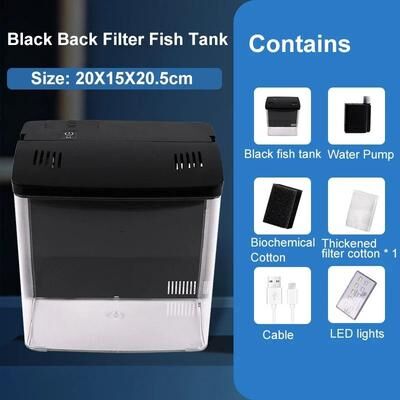
Uplift Essentials Fish Tank Living Room Small Mini Douyu Tank Household Tabletop Ecological Tank Self Circulating Back Filter Goldfish Tan blackBring tranquility to your home or office with this mini ecological fish tank. Designed with a selfcirculating back filter system, it ensures your goldfish or bettas thrive in a clean and healthy environment. Perfect for desktops, tabletops, and...98,97 $*Shipping: 0,00 $Secure redirect to the provider
-
Uplift Essentials Mini Ecological Fish Tank With LED Light And Self Circulating Filter Compact Desktop Aquarium For Home Or Office whiteBring life and tranquility to your space with the Mini Ecological Fish Tank, a compact and stylish aquarium designed for effortless beauty and functionality. Perfect for desktops, living rooms, or bedside tables, this selfcirculating tank combines...96,97 $*Shipping: 0,00 $Secure redirect to the provider
-
Trendy Discount Goods Kids Bowling Cans Balls Set Educational Toy Children Sports Durable Eco Friendly Safe Intelligence Development Kids Bowling Cans Balls Set Educational Toy Children Sports Durable Eco Friendly Safe Intelligence DevelopmentPerfect for Active Play: The Bowling Cans Balls Set is an exciting way to keep your kids engaged and active while improving their coordination. This toy set is perfect for encouraging physical activity, bringing children closer to their environment,...49,97 $*Shipping: 0,00 $Secure redirect to the provider



-
What is the difference between ecological backpack, ecological balance, and ecological footprint?
The ecological backpack refers to the amount of natural resources and energy required to support an individual's lifestyle and consumption habits. Ecological balance refers to the state of equilibrium within an ecosystem, where the interactions between living organisms and their environment are stable and sustainable. Ecological footprint measures the impact of human activities on the environment by calculating the amount of biologically productive land and water required to sustain those activities. In summary, the ecological backpack focuses on individual consumption, ecological balance on the stability of ecosystems, and ecological footprint on the overall environmental impact of human activities. **
-
What is the difference between ecological potential and tolerance range?
Ecological potential refers to the full range of environmental conditions under which a species can survive and reproduce, including optimal conditions for growth and reproduction. Tolerance range, on the other hand, refers to the specific range of environmental conditions within which a species can survive and function, beyond which it may experience stress or even death. In essence, ecological potential is the broader range of conditions a species can potentially inhabit, while tolerance range is the narrower range within which it can actually thrive. **
-
What is the difference between ecological potential and the tolerance range?
Ecological potential refers to the maximum level of environmental conditions that a species can tolerate and thrive in, including factors such as temperature, humidity, and food availability. Tolerance range, on the other hand, refers to the range of environmental conditions within which a species can survive, but not necessarily thrive. In other words, ecological potential represents the optimal conditions for a species, while the tolerance range represents the broader range of conditions within which it can still survive. **
-
What is the physiological and ecological potential of the Scots pine?
The Scots pine (Pinus sylvestris) has a high physiological potential due to its ability to adapt to a wide range of environmental conditions, including poor soils and harsh climates. It is well-suited to cold and dry climates, making it a valuable species for reforestation and afforestation projects in northern regions. Ecologically, the Scots pine plays a crucial role in supporting biodiversity by providing habitat for various species and contributing to ecosystem stability. Its long lifespan and ability to regenerate after disturbances also make it an important component of forest ecosystems. Overall, the Scots pine has the potential to contribute to ecosystem resilience and provide valuable ecosystem services. **

What are ecological standards?
Ecological standards are guidelines and criteria that are set to ensure that human activities and products are environmentally friendly and sustainable. These standards aim to minimize negative impacts on ecosystems and biodiversity, promote conservation of natural resources, and reduce pollution and waste. By adhering to ecological standards, businesses, industries, and individuals can help protect the environment and contribute to a more sustainable future. **
What are ecological problems?
Ecological problems are issues that arise from the disruption of the natural balance and functioning of ecosystems. These problems can include habitat destruction, pollution, climate change, deforestation, loss of biodiversity, and overexploitation of natural resources. Ecological problems can have far-reaching impacts on the environment, wildlife, and human populations, leading to negative consequences such as species extinction, water and air pollution, and disruptions to the food chain. Addressing these problems requires a holistic approach that considers the interconnectedness of all living organisms and their environments. **
Top-Angebote
Products related to Ecological:
-
Christopher Knight Home - Classic Ecological Outdoor 25.04''H Garden Decorative Birdbath with Column Pedestal BaseEnhance the beauty of your outdoor space with this elegant pedestal birdbath, designed to attract birds while adding classic charm to your garden décor.142,83 $*Shipping: 0,00 $Secure redirect to the provider
-
Inspire Essentials Mini Ecological Fish Tank With Self Circulating Filter For Home And Office blackBring a touch of nature into your space with our beautifully designed mini fish tank, perfect for living rooms, desktops, or offices. This compact yet stylish tank creates a soothing environment for your goldfish or aquatic plants, making it both a...112,48 $*Shipping: 0,00 $Secure redirect to the provider
-
Perfect Picks Market Geometric Building Blocks Set For Kids Early Education Intelligence Development Toy Geometric Building Blocks Set For Kids Early Education Intelligence Development ToyUnlock your child's potential with this early education equipment designed to stimulate creativity and intelligence! This geometric set is the perfect building block toy for boys, helping to develop problemsolving skills while having fun. The...35,97 $*Shipping: 0,00 $Secure redirect to the provider
-
Uplift Essentials Fish Tank Living Room Small Mini Douyu Tank Household Tabletop Ecological Tank Self Circulating Back Filter Goldfish Tan blackBring tranquility to your home or office with this mini ecological fish tank. Designed with a selfcirculating back filter system, it ensures your goldfish or bettas thrive in a clean and healthy environment. Perfect for desktops, tabletops, and...98,97 $*Shipping: 0,00 $Secure redirect to the provider
-
What is ecological potential and the tolerance curve?
Ecological potential refers to the maximum capacity of an ecosystem to support a particular species or population. It takes into account various factors such as resource availability, habitat suitability, and interactions with other species. On the other hand, a tolerance curve represents the range of environmental conditions within which a species can survive and thrive. It shows how an organism's performance is affected by different levels of a specific environmental factor, such as temperature or pH. By understanding both ecological potential and tolerance curves, scientists can better assess the health and resilience of ecosystems and predict how species may respond to environmental changes. **
-
What is ecological potential in biology and ecology?
Ecological potential refers to the maximum capacity of an ecosystem to support a particular species or community. It takes into account the physical and biological factors that influence the distribution and abundance of organisms within an ecosystem. This concept is important in understanding the limitations and opportunities for different species within a given environment, and can help inform conservation and management efforts. Ecological potential is influenced by factors such as climate, soil, water availability, and interactions with other species. **
-
What is the difference between ecological backpack, ecological balance, and ecological footprint?
The ecological backpack refers to the amount of natural resources and energy required to support an individual's lifestyle and consumption habits. Ecological balance refers to the state of equilibrium within an ecosystem, where the interactions between living organisms and their environment are stable and sustainable. Ecological footprint measures the impact of human activities on the environment by calculating the amount of biologically productive land and water required to sustain those activities. In summary, the ecological backpack focuses on individual consumption, ecological balance on the stability of ecosystems, and ecological footprint on the overall environmental impact of human activities. **
-
What is the difference between ecological potential and tolerance range?
Ecological potential refers to the full range of environmental conditions under which a species can survive and reproduce, including optimal conditions for growth and reproduction. Tolerance range, on the other hand, refers to the specific range of environmental conditions within which a species can survive and function, beyond which it may experience stress or even death. In essence, ecological potential is the broader range of conditions a species can potentially inhabit, while tolerance range is the narrower range within which it can actually thrive. **
Similar search terms for Ecological
-
Uplift Essentials Mini Ecological Fish Tank With LED Light And Self Circulating Filter Compact Desktop Aquarium For Home Or Office whiteBring life and tranquility to your space with the Mini Ecological Fish Tank, a compact and stylish aquarium designed for effortless beauty and functionality. Perfect for desktops, living rooms, or bedside tables, this selfcirculating tank combines...96,97 $*Shipping: 0,00 $Secure redirect to the provider
-
Trendy Discount Goods Kids Bowling Cans Balls Set Educational Toy Children Sports Durable Eco Friendly Safe Intelligence Development Kids Bowling Cans Balls Set Educational Toy Children Sports Durable Eco Friendly Safe Intelligence DevelopmentPerfect for Active Play: The Bowling Cans Balls Set is an exciting way to keep your kids engaged and active while improving their coordination. This toy set is perfect for encouraging physical activity, bringing children closer to their environment,...49,97 $*Shipping: 0,00 $Secure redirect to the provider
-
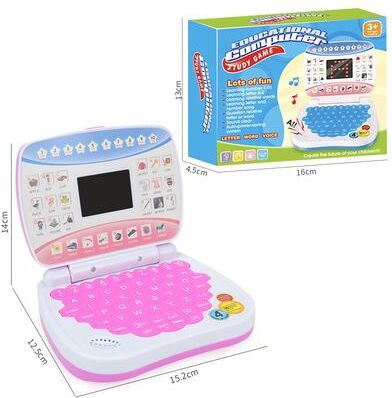
JoyToys Smart Kids Learning Laptop Educational Laptop Toy For Preschool English Learning & Skill Development pinkExperience the joy of watching your child learn through play with this educational laptop toy designed to make every lesson fun and engaging. Perfect for toddlers and preschoolers, this interactive learning computer introduces letters, numbers,...34,97 $*Shipping: 0,00 $Secure redirect to the provider
-
Inspire Essentials Mini Ecological Fish Tank With Self Circulating Filter For Home And Office whiteBring a touch of nature into your space with our beautifully designed mini fish tank, perfect for living rooms, desktops, or offices. This compact yet stylish tank creates a soothing environment for your goldfish or aquatic plants, making it both a...112,48 $*Shipping: 0,00 $Secure redirect to the provider
-
What is the difference between ecological potential and the tolerance range?
Ecological potential refers to the maximum level of environmental conditions that a species can tolerate and thrive in, including factors such as temperature, humidity, and food availability. Tolerance range, on the other hand, refers to the range of environmental conditions within which a species can survive, but not necessarily thrive. In other words, ecological potential represents the optimal conditions for a species, while the tolerance range represents the broader range of conditions within which it can still survive. **
-
What is the physiological and ecological potential of the Scots pine?
The Scots pine (Pinus sylvestris) has a high physiological potential due to its ability to adapt to a wide range of environmental conditions, including poor soils and harsh climates. It is well-suited to cold and dry climates, making it a valuable species for reforestation and afforestation projects in northern regions. Ecologically, the Scots pine plays a crucial role in supporting biodiversity by providing habitat for various species and contributing to ecosystem stability. Its long lifespan and ability to regenerate after disturbances also make it an important component of forest ecosystems. Overall, the Scots pine has the potential to contribute to ecosystem resilience and provide valuable ecosystem services. **
-
What are ecological standards?
Ecological standards are guidelines and criteria that are set to ensure that human activities and products are environmentally friendly and sustainable. These standards aim to minimize negative impacts on ecosystems and biodiversity, promote conservation of natural resources, and reduce pollution and waste. By adhering to ecological standards, businesses, industries, and individuals can help protect the environment and contribute to a more sustainable future. **
-
What are ecological problems?
Ecological problems are issues that arise from the disruption of the natural balance and functioning of ecosystems. These problems can include habitat destruction, pollution, climate change, deforestation, loss of biodiversity, and overexploitation of natural resources. Ecological problems can have far-reaching impacts on the environment, wildlife, and human populations, leading to negative consequences such as species extinction, water and air pollution, and disruptions to the food chain. Addressing these problems requires a holistic approach that considers the interconnectedness of all living organisms and their environments. **
* All prices are inclusive of VAT and, if applicable, plus shipping costs. The offer information is based on the details provided by the respective shop and is updated through automated processes. Real-time updates do not occur, so deviations can occur in individual cases. ** Note: Parts of this content were created by AI.