Buy iqyp.com ?
We are moving the project
iqyp.com .
Are you interested in purchasing the domain
iqyp.com ?
domain@kv-gmbh.de · 0541-91531010
Buy iqyp.com ?
What are demonstrative pronouns and relative pronouns?
Demonstrative pronouns are pronouns that are used to point to specific things or people. Examples of demonstrative pronouns include "this," "that," "these," and "those." Relative pronouns are pronouns that introduce dependent clauses and connect them to independent clauses. Examples of relative pronouns include "who," "whom," "whose," "which," and "that." **
Why are demonstrative pronouns called demonstrative pronouns?
Demonstrative pronouns are called demonstrative because they demonstrate or point to a specific noun or pronoun in a sentence. They help to indicate the position or location of the noun or pronoun in relation to the speaker or listener. By using demonstrative pronouns such as "this," "that," "these," and "those," speakers can make their communication more precise and clear by specifying which person, place, thing, or idea they are referring to. **

Similar search terms for Pronouns
Top-Angebote
Products related to Pronouns:
-
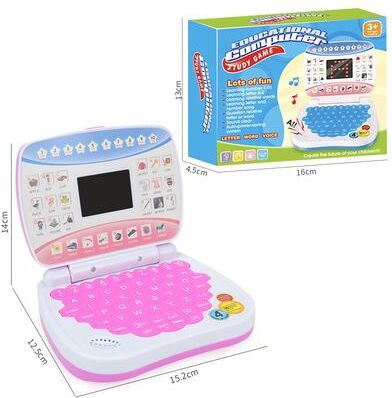
JoyToys Smart Kids Learning Laptop Educational Laptop Toy For Preschool English Learning & Skill Development pinkExperience the joy of watching your child learn through play with this educational laptop toy designed to make every lesson fun and engaging. Perfect for toddlers and preschoolers, this interactive learning computer introduces letters, numbers,...34,97 $*Shipping: 0,00 $Secure redirect to the provider
-
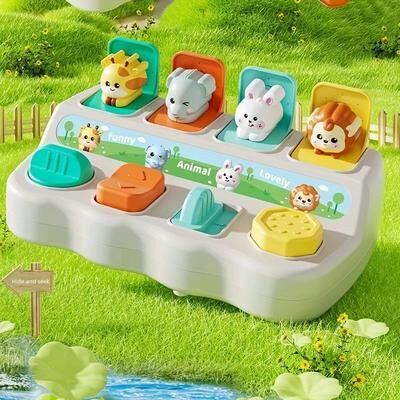
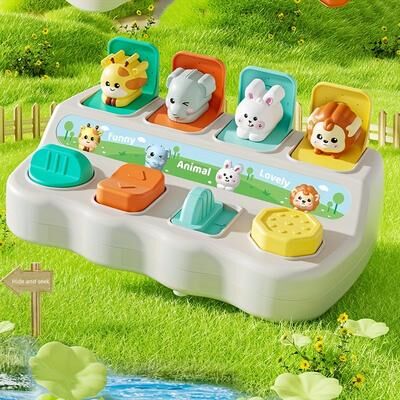
Inspired Living Montessori Pop Up Animal Learning Box For Fine Motor & Early Skill Development Montessori Pop Up Animal Learning Box For Fine Motor & Early Skill DevelopmentTurn playtime into a joyful learning experience with this engaging Montessori toy designed to spark curiosity and build essential skills. Created for toddlers and young children, this interactive pop up animal toy combines fun surprises with...23,97 $*Shipping: 0,00 $Secure redirect to the provider
-
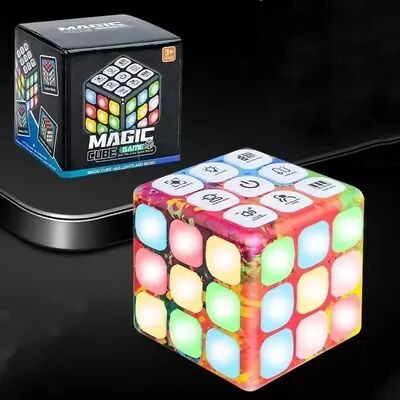
Multisell Products Hub Magnetic Flashing Cube, Kids Fun Gift, Brain Game Modes For Intelligence Development colorfulEngage Your Child's Mind with the Flashing Cube Toy The Flashing Cube Kid Intelligence Develop toy is designed to boost cognitive skills and memory while keeping kids entertained for hours. This unique game combines magnetic memory elements with a...99,97 $*Shipping: 0,00 $Secure redirect to the provider
-
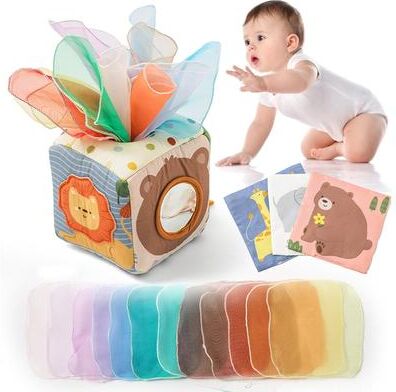
JoyToys Montessori Baby Sensory Tissue Box Early Learning Toy For Fine Motor Skill Development Montessori Baby Sensory Tissue Box Early Learning Toy For Fine Motor Skill DevelopmentExperience the joy of watching your little one learn through play with this Montessori baby toy designed to spark curiosity from the very first touch. This engaging sensory tissue box encourages babies to pull, grasp, explore, and discover while...34,97 $*Shipping: 0,00 $Secure redirect to the provider
-
With which pronouns do many people confuse reflexive pronouns?
Many people confuse reflexive pronouns with personal pronouns. For example, they may use "myself" or "yourself" instead of "me" or "you" in a sentence. This confusion often occurs when people are trying to emphasize the subject of the sentence, but they mistakenly use a reflexive pronoun instead of a personal pronoun. It's important to understand the difference between reflexive and personal pronouns in order to use them correctly in sentences. **
-
What are pronouns?
Pronouns are words that are used in place of nouns to avoid repetition in a sentence. They can refer to people, places, things, or ideas. Pronouns help make sentences clearer and more concise by replacing specific nouns with general words like "he," "she," "it," "they," and "we." Using pronouns also helps to maintain the flow of writing and make it more engaging for the reader. **
-
Which pronouns do many people often confuse with reflexive pronouns?
Many people often confuse reflexive pronouns with intensive pronouns. Intensive pronouns are used to emphasize a preceding noun or pronoun, while reflexive pronouns are used when the subject and object of a sentence are the same. For example, "I myself will do it" uses an intensive pronoun, while "I hurt myself" uses a reflexive pronoun. It is important to understand the distinction between these two types of pronouns to use them correctly in sentences. **
-
What is the difference between personal pronouns and reflexive pronouns?
Personal pronouns are used to refer to people or things, such as "I," "you," "he," "she," "it," "we," and "they." Reflexive pronouns, on the other hand, are used when the subject and object of a sentence are the same person or thing, such as "myself," "yourself," "himself," "herself," "itself," "ourselves," and "themselves." Reflexive pronouns are used to reflect the action back onto the subject, while personal pronouns simply refer to the subject or object. **
What is the difference between reflexive pronouns and personal pronouns?
Reflexive pronouns are used when the subject and the object of a sentence are the same, indicating that the action is being performed by the subject on itself. For example, "I hurt myself." In this sentence, "myself" is a reflexive pronoun. Personal pronouns, on the other hand, are used to refer to people or things and can be the subject or object of a sentence. For example, "She loves him." In this sentence, "she" and "him" are personal pronouns. **
Can you help me with personal pronouns and possessive pronouns?
Certainly! Personal pronouns are used to replace nouns in a sentence, such as "I", "you", "he", "she", "it", "we", and "they". Possessive pronouns show ownership or possession, such as "mine", "yours", "his", "hers", "ours", and "theirs". If you need help understanding how to use these pronouns in a sentence or identifying which pronoun to use in a specific context, feel free to ask for more guidance. **
Top-Angebote
Products related to Pronouns:
-
Perfect Picks Market Geometric Building Blocks Set For Kids Early Education Intelligence Development Toy Geometric Building Blocks Set For Kids Early Education Intelligence Development ToyUnlock your child's potential with this early education equipment designed to stimulate creativity and intelligence! This geometric set is the perfect building block toy for boys, helping to develop problemsolving skills while having fun. The...35,97 $*Shipping: 0,00 $Secure redirect to the provider
-
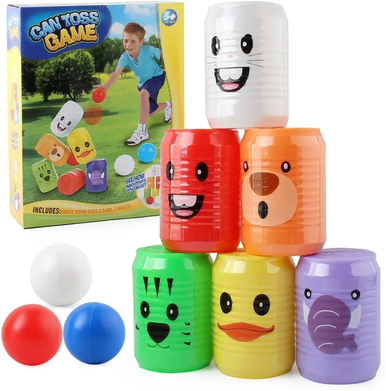
Trendy Discount Goods Kids Bowling Cans Balls Set Educational Toy Children Sports Durable Eco Friendly Safe Intelligence Development Kids Bowling Cans Balls Set Educational Toy Children Sports Durable Eco Friendly Safe Intelligence DevelopmentPerfect for Active Play: The Bowling Cans Balls Set is an exciting way to keep your kids engaged and active while improving their coordination. This toy set is perfect for encouraging physical activity, bringing children closer to their environment,...49,97 $*Shipping: 0,00 $Secure redirect to the provider
-
JoyToys Smart Kids Learning Laptop Educational Laptop Toy For Preschool English Learning & Skill Development pinkExperience the joy of watching your child learn through play with this educational laptop toy designed to make every lesson fun and engaging. Perfect for toddlers and preschoolers, this interactive learning computer introduces letters, numbers,...34,97 $*Shipping: 0,00 $Secure redirect to the provider
-
Inspired Living Montessori Pop Up Animal Learning Box For Fine Motor & Early Skill Development Montessori Pop Up Animal Learning Box For Fine Motor & Early Skill DevelopmentTurn playtime into a joyful learning experience with this engaging Montessori toy designed to spark curiosity and build essential skills. Created for toddlers and young children, this interactive pop up animal toy combines fun surprises with...23,97 $*Shipping: 0,00 $Secure redirect to the provider
-
What are demonstrative pronouns and relative pronouns?
Demonstrative pronouns are pronouns that are used to point to specific things or people. Examples of demonstrative pronouns include "this," "that," "these," and "those." Relative pronouns are pronouns that introduce dependent clauses and connect them to independent clauses. Examples of relative pronouns include "who," "whom," "whose," "which," and "that." **
-
Why are demonstrative pronouns called demonstrative pronouns?
Demonstrative pronouns are called demonstrative because they demonstrate or point to a specific noun or pronoun in a sentence. They help to indicate the position or location of the noun or pronoun in relation to the speaker or listener. By using demonstrative pronouns such as "this," "that," "these," and "those," speakers can make their communication more precise and clear by specifying which person, place, thing, or idea they are referring to. **
-
With which pronouns do many people confuse reflexive pronouns?
Many people confuse reflexive pronouns with personal pronouns. For example, they may use "myself" or "yourself" instead of "me" or "you" in a sentence. This confusion often occurs when people are trying to emphasize the subject of the sentence, but they mistakenly use a reflexive pronoun instead of a personal pronoun. It's important to understand the difference between reflexive and personal pronouns in order to use them correctly in sentences. **
-
What are pronouns?
Pronouns are words that are used in place of nouns to avoid repetition in a sentence. They can refer to people, places, things, or ideas. Pronouns help make sentences clearer and more concise by replacing specific nouns with general words like "he," "she," "it," "they," and "we." Using pronouns also helps to maintain the flow of writing and make it more engaging for the reader. **
Similar search terms for Pronouns
-
Multisell Products Hub Magnetic Flashing Cube, Kids Fun Gift, Brain Game Modes For Intelligence Development colorfulEngage Your Child's Mind with the Flashing Cube Toy The Flashing Cube Kid Intelligence Develop toy is designed to boost cognitive skills and memory while keeping kids entertained for hours. This unique game combines magnetic memory elements with a...99,97 $*Shipping: 0,00 $Secure redirect to the provider
-
JoyToys Montessori Baby Sensory Tissue Box Early Learning Toy For Fine Motor Skill Development Montessori Baby Sensory Tissue Box Early Learning Toy For Fine Motor Skill DevelopmentExperience the joy of watching your little one learn through play with this Montessori baby toy designed to spark curiosity from the very first touch. This engaging sensory tissue box encourages babies to pull, grasp, explore, and discover while...34,97 $*Shipping: 0,00 $Secure redirect to the provider
-
Market Central Montessori Pop Up Animal Toy Learning Box For Kids Logic And Motor Skill Development Montessori Pop Up Animal Toy Learning Box For Kids Logic And Motor Skill DevelopmentMake learning exciting with a playful toy that helps children explore, discover, and build confidence through handson activities. This Montessori pop up animal toy combines fun surprises with skillbuilding exercises designed for toddlers and young...37,97 $*Shipping: 0,00 $Secure redirect to the provider
-
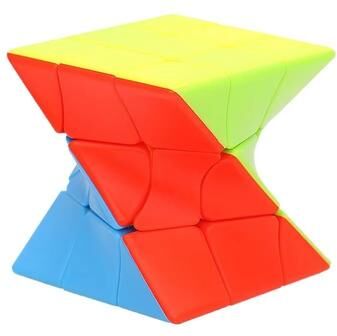
PRiME Magic Speed Cube Colorful Puzzle Toy For Kids, Brain Teaser, Intelligence Development, Fun Educational Gift twist CubeBoost Brainpower with a Fun Challenge Bring endless fun and learning to your childs playtime with this Unique 3x3x3 Magic Speed Cube Colorful Twist Puzzle. Designed for young minds and curious fingers, this toy offers an engaging way to develop...27,97 $*Shipping: 0,00 $Secure redirect to the provider
-
Which pronouns do many people often confuse with reflexive pronouns?
Many people often confuse reflexive pronouns with intensive pronouns. Intensive pronouns are used to emphasize a preceding noun or pronoun, while reflexive pronouns are used when the subject and object of a sentence are the same. For example, "I myself will do it" uses an intensive pronoun, while "I hurt myself" uses a reflexive pronoun. It is important to understand the distinction between these two types of pronouns to use them correctly in sentences. **
-
What is the difference between personal pronouns and reflexive pronouns?
Personal pronouns are used to refer to people or things, such as "I," "you," "he," "she," "it," "we," and "they." Reflexive pronouns, on the other hand, are used when the subject and object of a sentence are the same person or thing, such as "myself," "yourself," "himself," "herself," "itself," "ourselves," and "themselves." Reflexive pronouns are used to reflect the action back onto the subject, while personal pronouns simply refer to the subject or object. **
-
What is the difference between reflexive pronouns and personal pronouns?
Reflexive pronouns are used when the subject and the object of a sentence are the same, indicating that the action is being performed by the subject on itself. For example, "I hurt myself." In this sentence, "myself" is a reflexive pronoun. Personal pronouns, on the other hand, are used to refer to people or things and can be the subject or object of a sentence. For example, "She loves him." In this sentence, "she" and "him" are personal pronouns. **
-
Can you help me with personal pronouns and possessive pronouns?
Certainly! Personal pronouns are used to replace nouns in a sentence, such as "I", "you", "he", "she", "it", "we", and "they". Possessive pronouns show ownership or possession, such as "mine", "yours", "his", "hers", "ours", and "theirs". If you need help understanding how to use these pronouns in a sentence or identifying which pronoun to use in a specific context, feel free to ask for more guidance. **
* All prices are inclusive of VAT and, if applicable, plus shipping costs. The offer information is based on the details provided by the respective shop and is updated through automated processes. Real-time updates do not occur, so deviations can occur in individual cases. ** Note: Parts of this content were created by AI.